Vancouver · Month comparison
January vs September
September ranks #1 overall vs January at #11. September is the locals' month — VIFF begins, crowds thin, and the city reclaims itself.
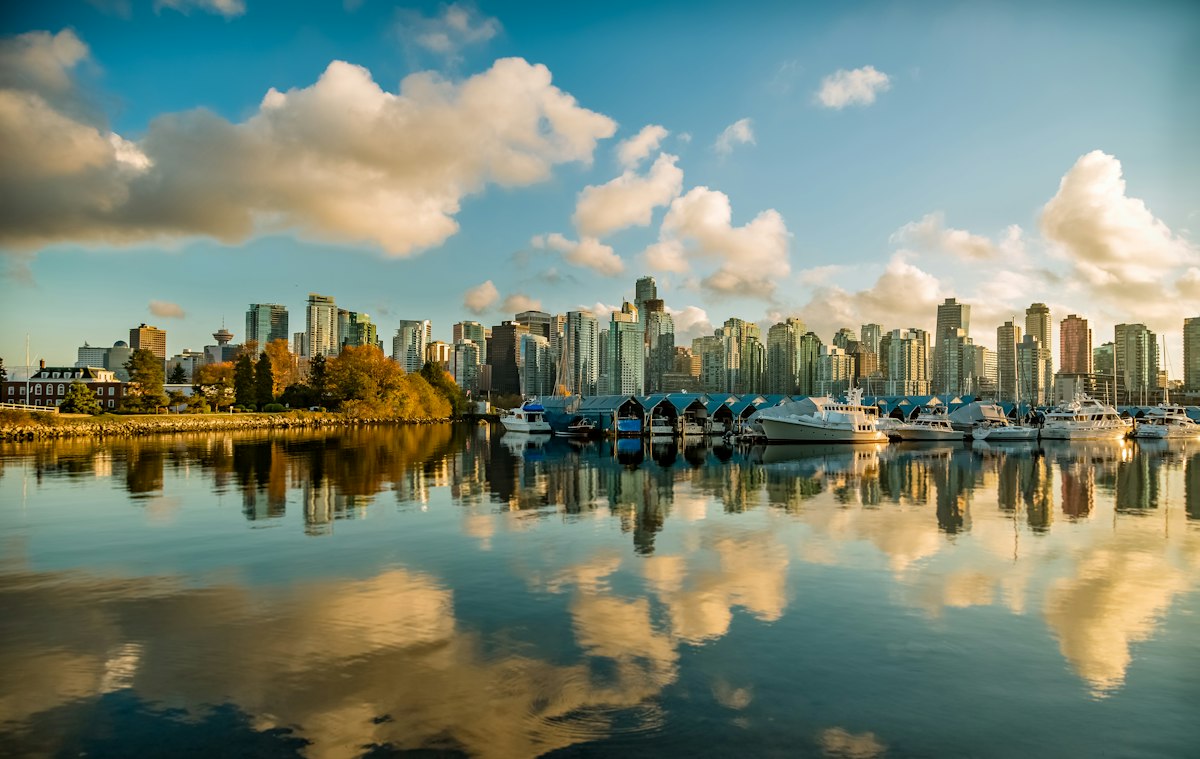
January
#11 of 12 months
Worth considering
Grey, rainy, and very cheap — Whistler ski season is the only compelling reason to visit.
- ↑Whistler Blackcomb, a 2-hour drive north, is one of the largest ski resorts in North America — 8,171 acres of skiable terrain across two mountains, with January snow reliability among the highest on the continent. A Vancouver base with daily ski shuttle buses (around CAD $85 round trip) makes the combination viable without the Whistler accommodation premium. Whistler Village is a well-functioning resort town with a food scene significantly above average for ski destinations.
- ↑Vancouver hotel prices in January are at their lowest of the year — downtown properties that cost CAD $350 in July operate at $150–180. The city's restaurants, museums (Museum of Vancouver, Vancouver Art Gallery, the extraordinary Museum of Anthropology at UBC with its First Nations collection), and indoor cultural infrastructure are fully operational and uncrowded.
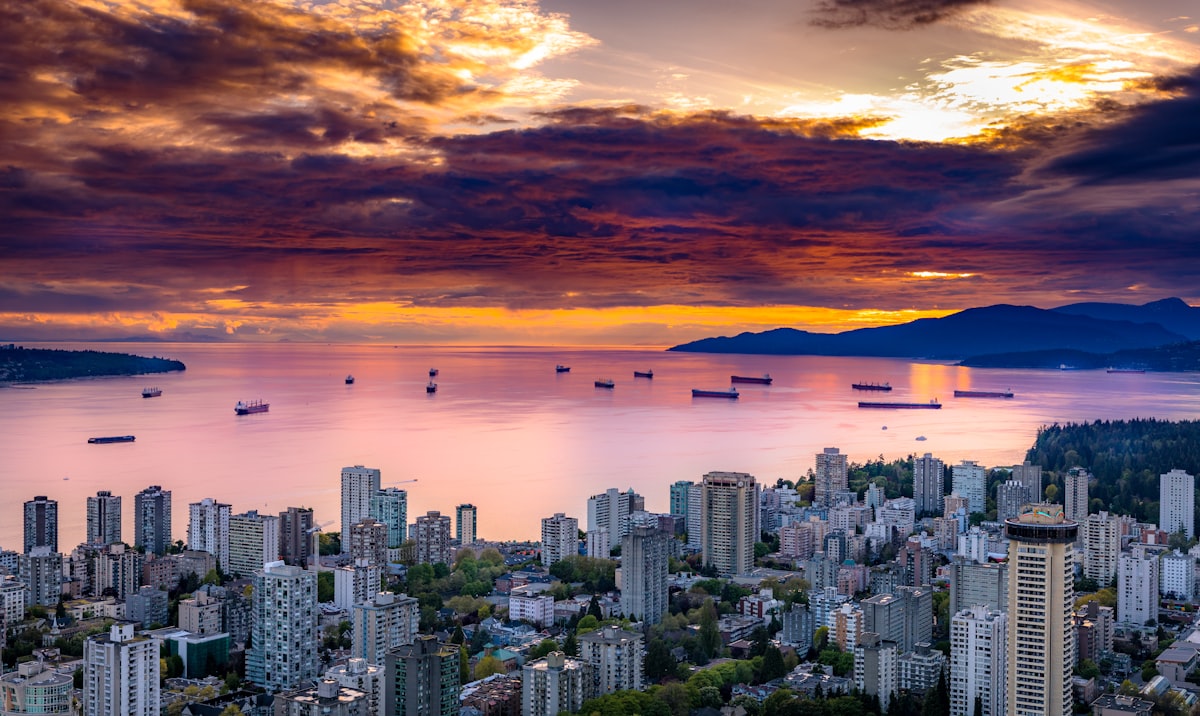
September
#1 of 12 months
Best match
September is the locals' month — VIFF begins, crowds thin, and the city reclaims itself.
- ↑The Vancouver International Film Festival (VIFF, mid-September to early October) is one of the largest film festivals in North America — 300+ films from 70+ countries, multiple theatres across the city, and an industry section that brings filmmakers and distributors to Vancouver in volume. General public tickets are inexpensive (CAD $16 per screening), and the programming is consistently excellent. The festival transforms the cultural energy of the city in a way that the summer tourist economy does not.
- ↑September's 19°C average and 7.5 sunshine hours deliver summer-quality weather at post-summer prices — hotel rates drop 25–35% from August peaks in the weeks after Labour Day. The outdoor infrastructure (hiking, kayaking, cycling) remains fully operational; the North Shore trails are at their most beautiful as the mountain ash and vine maple begin turning colour in late September.
| Factor | January | September |
|---|---|---|
| Weather score | 3 | 8 |
| Value score | 9 | 6 |
| Crowd score | 9 | 6 |
| Events score | 4 | 8 |
| Atmosphere | 5 | 8 |
| Avg high temp | 6.9°C | 19.2°C |
| Monthly rain | 154mm | 68mm |
| Daily sunshine | 2hrs | 7.5hrs |
January trade-offs
- ↓January's 154mm of rainfall falls on approximately 18–20 days — persistent grey drizzle rather than dramatic storms. The overcast conditions and minimal sunshine (2 hours daily average) make Vancouver feel genuinely oppressive in January for visitors who haven't spent a Pacific Northwest winter before. The city's substantial outdoor recreational culture essentially retreats indoors.
- ↓January daylight is short — sunrise at 8:15am, sunset at 4:30pm — which severely compresses the window for outdoor activities and creates a psychological weight to the month that locals call the "Vancouver Grey."
September trade-offs
- ↓September rainfall increases from August's 38mm to 68mm as the Pacific weather patterns begin reasserting themselves. The transition can be abrupt — week-long sunny spells in September give way to Atlantic fronts that deliver 2–3 consecutive grey days as the month progresses.
- ↓VIFF creates localized demand in the Granville Street cinema corridor and downtown — accommodation prices during the peak festival weekend are higher than surrounding weeks, and popular screenings sell out.
Scores compare months within Vancouver. Climate data: Open Meteo ERA5 30-year normals (1991–2020). Methodology →