Vancouver · Month comparison
March vs September
September ranks #1 overall vs March at #9. September is the locals' month — VIFF begins, crowds thin, and the city reclaims itself.

March
#9 of 12 months
Strong option
Cherry blossoms beginning and prices still low — the Pacific Northwest starting to wake up.
- ↑Vancouver's cherry blossom season begins in late February and peaks in late March to early April — the city has over 50,000 cherry trees across parks and residential streets, and the Vancouver Cherry Blossom Festival (March–April) coordinates events, maps, and walks around the most concentrated displays. Queen Elizabeth Park, Sunset Beach, and the UBC campus are all excellent. Unlike Tokyo, the Vancouver blossom is genuinely uncrowded — locals treat it as a pleasure rather than an Instagram event.
- ↑March sunshine (4.3 hours daily) is a significant improvement over January and February, and the psychological shift as the city emerges from winter is palpable. The Stanley Park Seawall — the most spectacular urban waterfront path in North America — becomes reliably walkable and runnable by mid-March, and the Lions Gate Bridge cycling route opens with the warmer days.
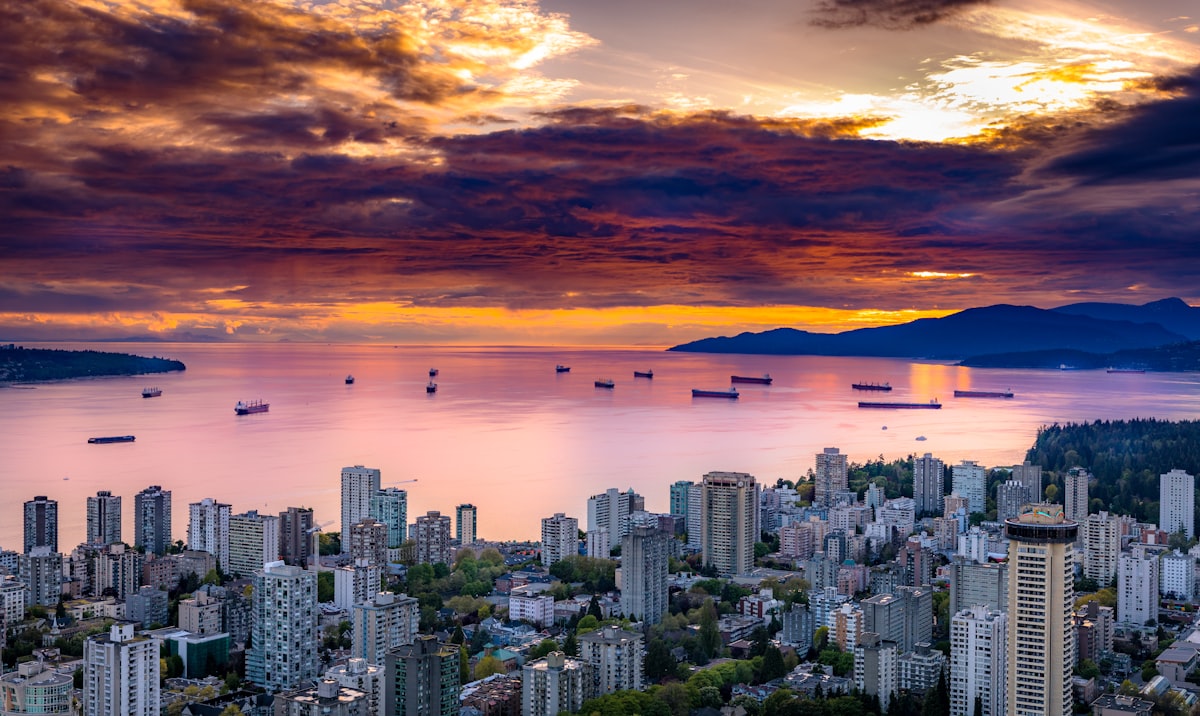
September
#1 of 12 months
Best match
September is the locals' month — VIFF begins, crowds thin, and the city reclaims itself.
- ↑The Vancouver International Film Festival (VIFF, mid-September to early October) is one of the largest film festivals in North America — 300+ films from 70+ countries, multiple theatres across the city, and an industry section that brings filmmakers and distributors to Vancouver in volume. General public tickets are inexpensive (CAD $16 per screening), and the programming is consistently excellent. The festival transforms the cultural energy of the city in a way that the summer tourist economy does not.
- ↑September's 19°C average and 7.5 sunshine hours deliver summer-quality weather at post-summer prices — hotel rates drop 25–35% from August peaks in the weeks after Labour Day. The outdoor infrastructure (hiking, kayaking, cycling) remains fully operational; the North Shore trails are at their most beautiful as the mountain ash and vine maple begin turning colour in late September.
| Factor | March | September |
|---|---|---|
| Weather score | 4 | 8 |
| Value score | 8 | 6 |
| Crowd score | 8 | 6 |
| Events score | 5 | 8 |
| Atmosphere | 6 | 8 |
| Avg high temp | 10.5°C | 19.2°C |
| Monthly rain | 114mm | 68mm |
| Daily sunshine | 4.3hrs | 7.5hrs |
March trade-offs
- ↓March rainfall (114mm) remains firmly in the Pacific Northwest wet season. Spring cherry blossoms can be knocked off trees by late-season storms, and the blossom window is shorter and less predictable than Tokyo's. Planning flexibility remains necessary.
- ↓The mountains lose reliable powder conditions by mid-to-late March — spring skiing (wet, heavy snow) is possible but the exceptional Whistler powder experience is statistically less likely than in January and February.
September trade-offs
- ↓September rainfall increases from August's 38mm to 68mm as the Pacific weather patterns begin reasserting themselves. The transition can be abrupt — week-long sunny spells in September give way to Atlantic fronts that deliver 2–3 consecutive grey days as the month progresses.
- ↓VIFF creates localized demand in the Granville Street cinema corridor and downtown — accommodation prices during the peak festival weekend are higher than surrounding weeks, and popular screenings sell out.
Scores compare months within Vancouver. Climate data: Open Meteo ERA5 30-year normals (1991–2020). Methodology →