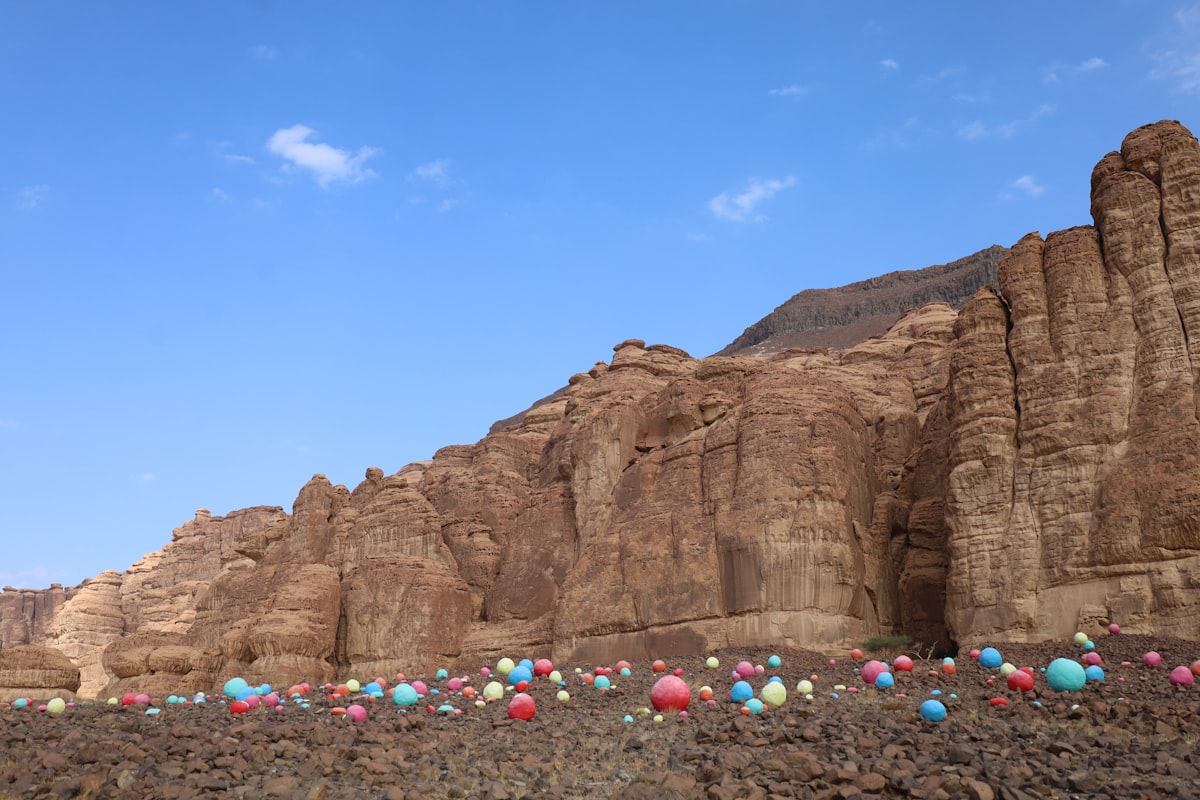
AlUla
AlUla Old Town
Unsplash / Unsplash
A 13th-century mud-brick ghost city in the palm oasis — 900 abandoned houses, winding alleyways, and a hilltop Ottoman fortress.
AlUla's original settlement occupies a narrow corridor of the oasis valley floor where fresh spring water fed date-palm groves for 2,000 years. The old town grew from the 13th century as a stop on the incense trade road, reaching around 900 mud-brick and stone houses packed into a dense labyrinth of shaded alleyways before the last families relocated to the modern town in the 1980s. Atop the hill above the ruins sits the AlUla Fortress (Qal'at Musa ibn Nusayr), its mudbrick ramparts framing panoramic views over the palm valley. The old town is a 5-minute walk from the new town centre, making it the most accessible archaeological layer in the AlUla complex. Several buildings have been carefully consolidated and a night illumination programme has transformed the ruins into an atmospheric evening destination.
Scores
Walkability
Transit
Price
Local feel
Nightlife
Family-friendly
Centrality
What you gain
- ↑Walkable from the modern town centre — no transport required, open day and evening
- ↑Fortress viewpoint at sunset gives the best panoramic view over the full palm-oasis valley
- ↑Night illumination programme makes the mud-brick ruins genuinely atmospheric after dark
What you sacrifice
- ↓Partially shaded alleys but very exposed fortress climb — heat still a real constraint in warm months
- ↓Most mud-brick structures are ruins without interior access — atmosphere rather than museum depth
Best for
Avoid if
Other AlUla neighbourhoods
The volcanic rock elephant and the ancient Lihyanite city ruins — AlUla's most iconic landscape, 10 minutes from town.
Saudi Arabia's first UNESCO World Heritage Site — 111 Nabataean rock tombs carved into sandstone mountains, 23km south of town.
The world's largest mirrored building, contemporary arts, luxury glamping, and the gateway to Sharaan Nature Reserve.
Know where to stay — now find when to go.
Best time to visit AlUla →