Bora Bora
Outer Motus & Barrier Reef
Unsplash / Unsplash
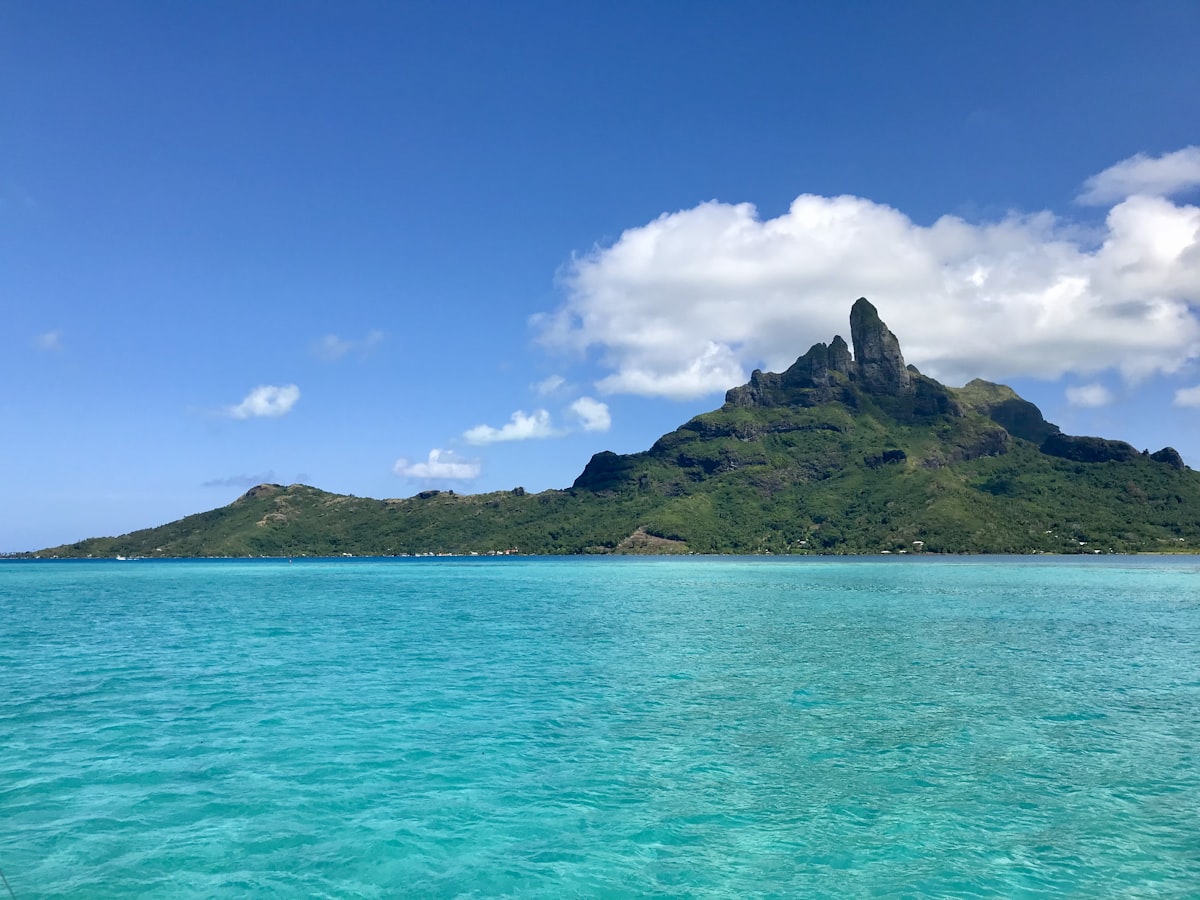
The uninhabited outer reef islets — pristine motu picnics, the barrier reef drop-off, and the perspective on Bora Bora from the open Pacific side.
Bora Bora is surrounded by a barrier reef of coral and sand that creates a near-perfect ring around the inner lagoon; sitting on this reef are a series of motus (flat reef islets) of which the most accessible and famous are Motu Tapu (the small islet that has appeared in films including Brooke Shields' Blue Lagoon and was used as the last-resort island in an early season of Survivor), Motu Piti Aau, and Motu Fareone. These motus are uninhabited, accessible only by resort speedboat or private charter, and offer a completely different perspective on Bora Bora: standing on the outer reef facing the open Pacific with the island and Mount Otemanu behind and 3,000km of open ocean in front. The outer reef drop-off (accessible from the motu beaches by a 100-metre swim through the passage between coral heads) has the island's most dramatic diving — wall diving on the Pacific-facing outer reef to 40m, with schools of barracuda, humphead wrasse, and the occasional oceanic manta in the deeper passes.
Scores
Walkability
Transit
Price
Local feel
Nightlife
Family-friendly
Centrality
What you gain
- ↑The Motu Tapu picnic excursion: a half-day resort or private charter boat trip to Motu Tapu includes snorkelling over the coral gardens in the inner lagoon passage, a traditional Polynesian beach barbecue (poisson cru, grilled fish, coconut-based dishes), and several hours on a beach that has no permanent residents and no other visitors in sight; the view back to Mount Otemanu across the flat lagoon from the motu's Pacific edge is the image most commonly used in Bora Bora travel photography
- ↑The outer reef wall dive: the Pacific-facing reef edge drops vertically from 3 metres to 40+ metres in a coral wall of extraordinary biodiversity; accessed by swimming through a pass in the reef from the motu beach, the wall is one of the premier dive sites in French Polynesia — schools of grey reef sharks patrol the mid-water, eagle rays cruise the upper wall, and the coral coverage (hard and soft coral) is undisturbed by the tourist pressure that affects the inner lagoon
- ↑Sunset from the outer motu: watching the sun drop into the Pacific from the outer reef — with Mount Otemanu silhouetted against the orange sky over 5km of turquoise inner lagoon — provides the defining Bora Bora photograph; the resort boat pick-up can be timed to depart after the sun has set for those who want to photograph the full sequence
What you sacrifice
- ↓Motu access requires a resort boat or private charter — there is no public ferry or independent access; the cost of a guided motu picnic through a resort is US$150–250 per person, and a full private charter is US$800–1,500 for a half-day; the outer motus are accessible only with resort or charter spend on top of accommodation
- ↓The outer reef is exposed to open Pacific swell on windy days — the passages through the barrier reef can be rough in the trade wind season (May–September), and children, non-swimmers, and those with sea-sickness sensitivities should confirm sea state before booking outer reef excursions
Best for
Avoid if
Other Bora Bora neighbourhoods
The only public beach on Bora Bora — a kilometre of white sand open to all, the most affordable accommodation zone, and the island's best snorkelling coral.
The world's most iconic resort experience — overwater bungalows above the turquoise lagoon, direct ladder access to the coral gardens, and Mount Otemanu framed in every direction.
Know where to stay — now find when to go.
Best time to visit Bora Bora →