Budapest
Óbuda
Anastasia Zhenina / Unsplash
Roman ruins, local restaurants, and zero tourist pressure — the most overlooked part of the Budapest story.
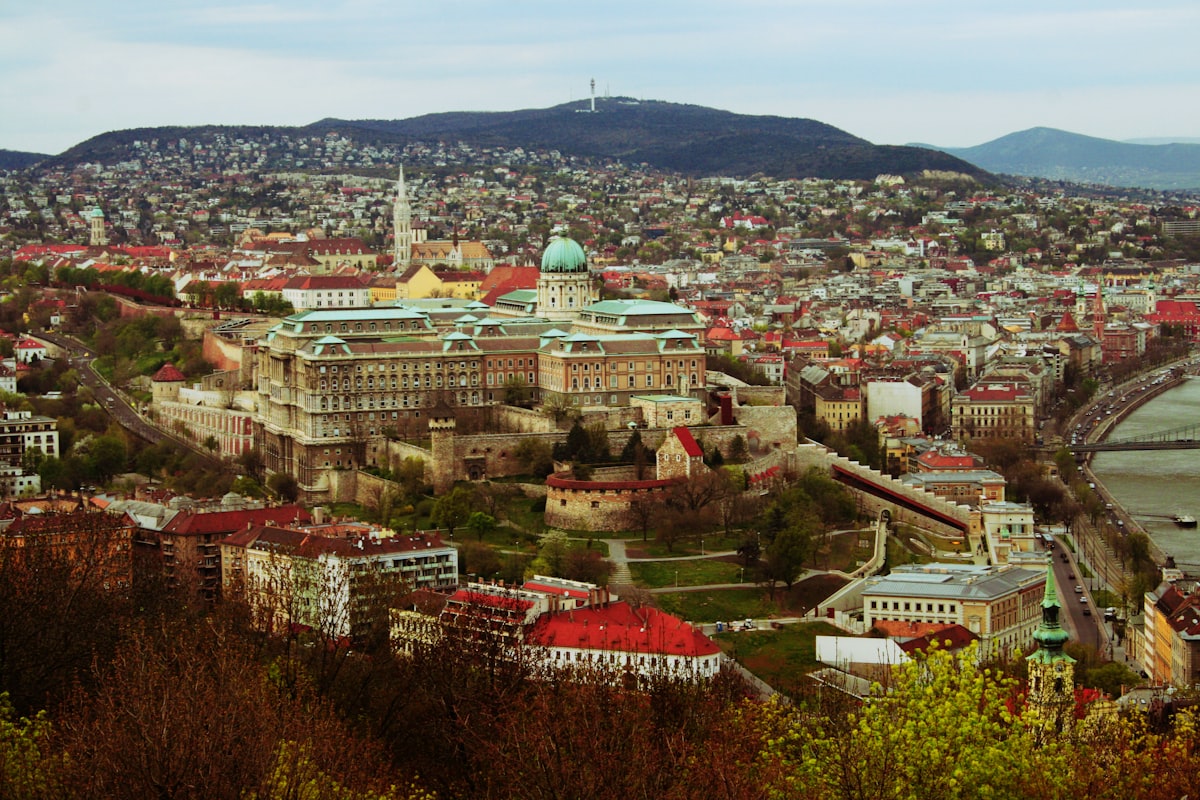
Óbuda (Old Buda) is the northernmost of Budapest's three historic constituent cities — Buda, Óbuda, and Pest — and by far the least visited by international tourists. Aquincum, the Roman legionary fort and civilian town that preceded medieval Buda by nearly 1,000 years, sits within the neighbourhood with a museum and substantial open-air ruins. Fő tér, Óbuda's main square, is a cobblestone 18th-century ensemble of baroque buildings now housing local restaurants and galleries that operate for a neighbourhood clientele. Sziget Island, where the annual Sziget Festival takes place, is directly accessible from Óbuda's northern edge.
Scores
Walkability
Transit
Price
Local feel
Nightlife
Family-friendly
Centrality
What you gain
- ↑Aquincum — the Roman city that was the capital of the province of Pannonia Inferior in the 2nd and 3rd centuries AD; the open-air ruins and Aquincum Museum present one of the most significant Roman sites in Central Europe, entirely without the crowds of better-known ancient sites elsewhere in Europe
- ↑Fő tér and the local restaurant scene: Óbuda's central square and the streets around it are home to traditional Hungarian restaurants serving authentic paprikás csirke and halászlé at prices that reflect a local clientele rather than tourist expectation; the most honest restaurant district in Budapest
- ↑Sziget Island access: staying in Óbuda during Sziget Festival (August) is the most logical base, with the festival island a short walk rather than a cross-city transit journey; and outside festival season, the island's park and cycling paths are a peaceful alternative to the city's busier attractions
What you sacrifice
- ↓Distance from the main Budapest sights: Buda Castle Hill, the Jewish Quarter, and the Parliament building all require 30–45 minutes by public transport from Óbuda; not viable if your itinerary is focused on the classic attractions
- ↓Very limited hotel infrastructure: Óbuda has almost no international hotel brands; visitors stay in apartments or small guesthouses and trade convenience for authenticity
- ↓Minimal nightlife: Óbuda is a residential neighbourhood that operates on residential hours; the ruin bars and evening energy of District VII require a significant journey
Best for
Avoid if
Other Budapest neighbourhoods
Ruin bars, the Dohány Street Synagogue, and the best nightlife in Central Europe — this is the real Budapest.
The Chain Bridge, main hotels, and shopping — practical, central, and thoroughly mainstream.
Budapest's grand boulevard with the Opera House, UNESCO status, and the city's most upscale restaurant scene.
Know where to stay — now find when to go.
Best time to visit Budapest →