Costa Rica
Manuel Antonio & Pacific Central
Shannon Kunkle / Unsplash
The most visited national park in Central America — monkeys on the beach, surf towns, and accessible wildlife.
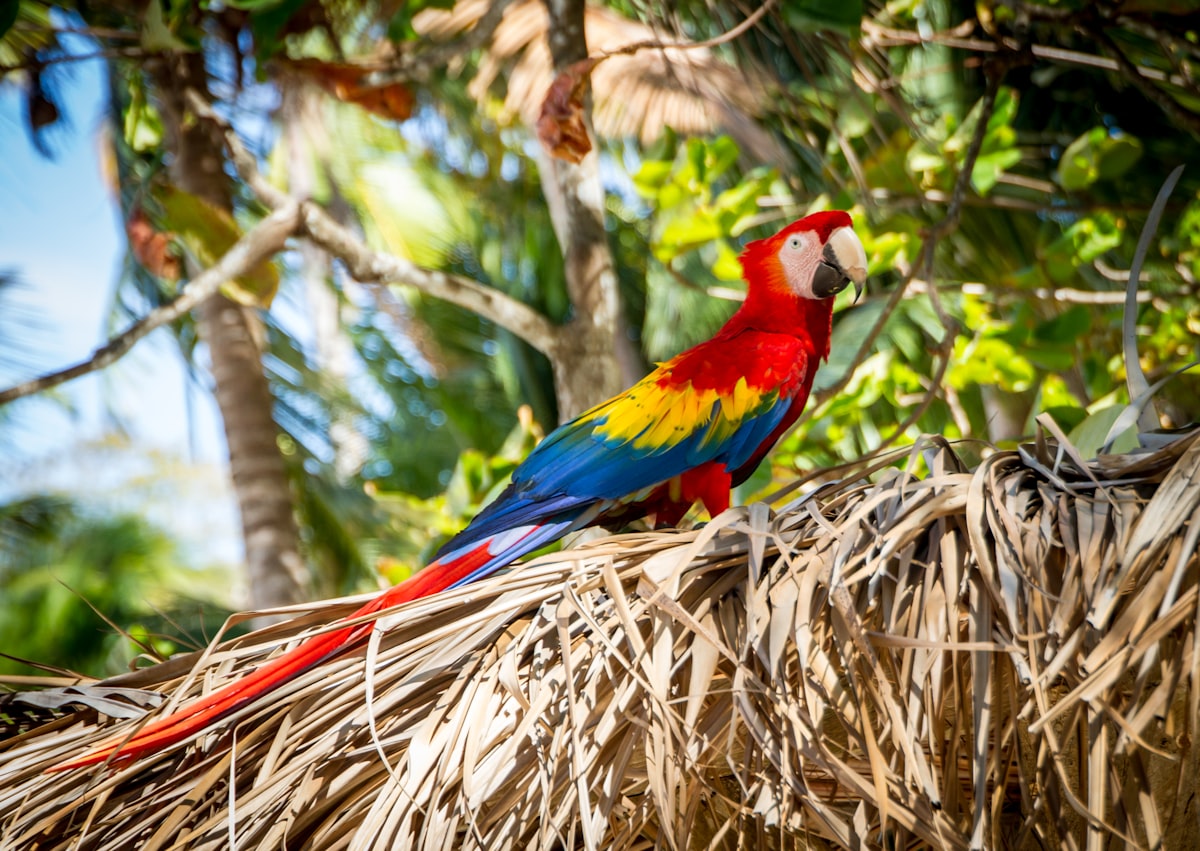
Manuel Antonio National Park is where rainforest meets beach in a way almost nowhere else achieves: white-faced capuchin monkeys wander the park's beaches, sloths hang in the cecropia trees along the trail, and scarlet macaws are a reasonable daily expectation. The park is small (only 4 trails) and visits must be booked ahead; the quality of wildlife is exceptional even for Costa Rica. The broader Pacific Central coast — Jacó (surf and nightlife), Santa Teresa (yoga and surf on the Nicoya Peninsula), and Quepos (sportfishing) — offers more varied choices than any other region, across the full budget range.
Scores
Walkability
Transit
Price
Local feel
Nightlife
Family-friendly
Centrality
What you gain
- ↑Manuel Antonio is the most accessible place in Costa Rica for guaranteed wildlife: sloths, white-faced monkeys, coatis, and scarlet macaws are seen on almost every morning visit
- ↑Santa Teresa on the Nicoya Peninsula offers consistent Pacific surf (best May–October), a developed café and yoga scene, and a bohemian atmosphere that's more international backpacker than resort
- ↑Jacó is the closest beach town to San José (2 hours) — practical for short trips, with the most active nightlife on the Pacific coast
What you sacrifice
- ↓Manuel Antonio National Park limits daily visitor numbers (requires advance online booking through the SINAC system) — and even so, peak-season mornings can feel crowded on the trails
- ↓The Pacific Central coast receives significant green-season rain (May–November); beach days can be interrupted by afternoon downpours, and some roads (especially Santa Teresa access) become difficult after heavy rain
Best for
Avoid if
Other Costa Rica neighbourhoods
An active volcano, geothermal hot springs, and cloud forest hanging bridges — the most iconic inland Costa Rica.
Afro-Caribbean culture, reggae bars, sea turtle nesting at Tortuguero, and Costa Rica's most authentic other half.
Costa Rica's dry-season heartland — white sand beaches, calm turquoise water, and the most reliable weather in the country.
Know where to stay — now find when to go.
Best time to visit Costa Rica →