Dominican Republic
Puerto Plata & Cabarete
Unsplash / Unsplash
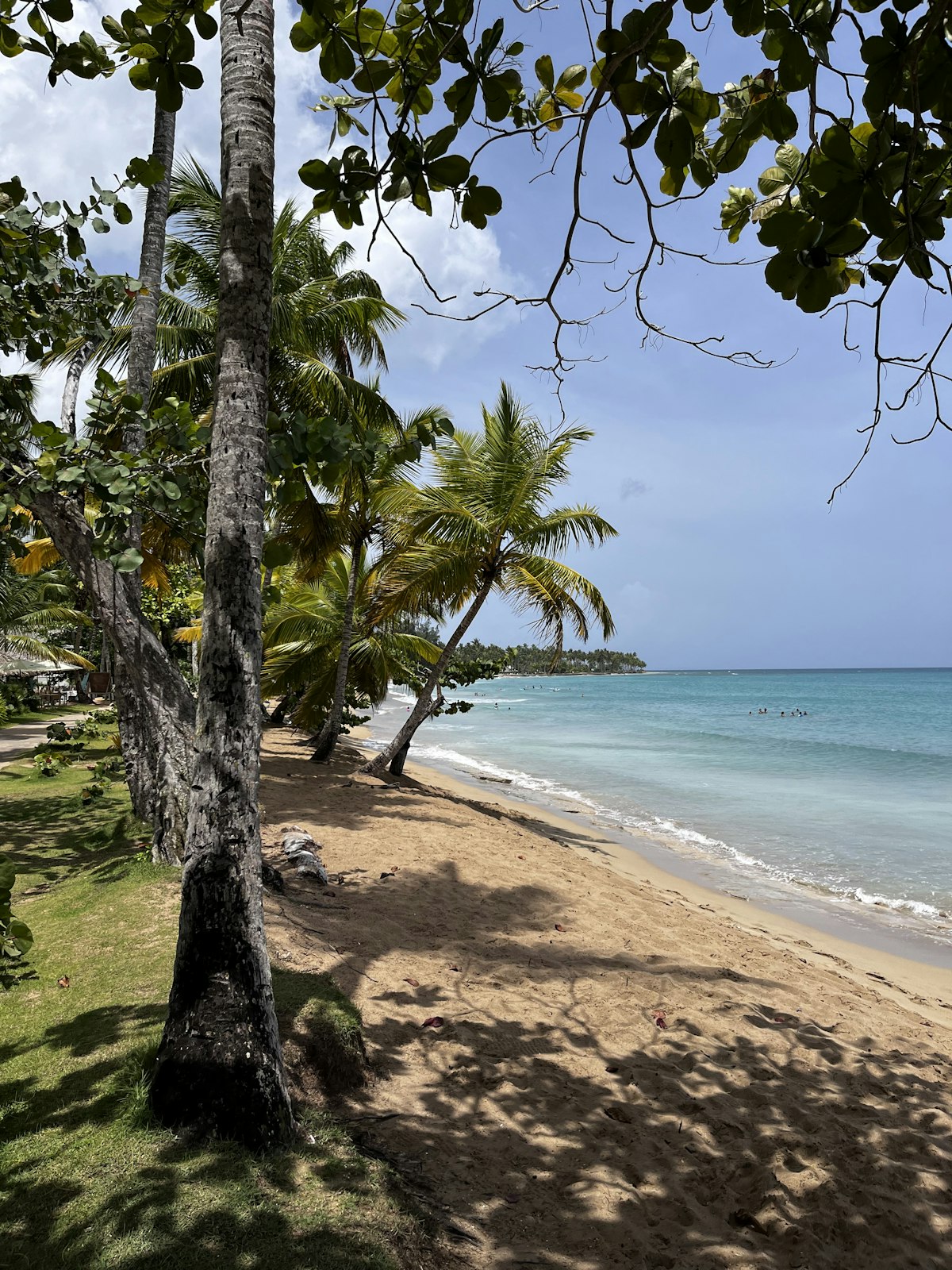
The windsport capital of the Caribbean — Cabarete's world-class kite and surf breaks, Puerto Plata's Victorian architecture, and a less resort-ified coast.
The north coast of the Dominican Republic — La Costa Ámbar (the Amber Coast) — is defined by the trade winds that hammer it reliably from October to January and intermittently year-round. Cabarete is the most famous kiteboarding and windsurfing destination in the Caribbean: the lagoon-backed beach with consistent north-facing swells and side-shore winds has produced World Cup competitors and international kiteboarding schools that attract athletes from 40 countries. Puerto Plata, 30km west, is the largest city on the north coast and the most historically interesting: Victorian gingerbread architecture from the 19th-century tobacco export era, a 19th-century fortress, and the only cable car in the Caribbean (to Mount Isabel de Torres) give it more authentic character than most tourist towns in the DR.
Scores
Walkability
Transit
Price
Local feel
Nightlife
Family-friendly
Centrality
What you gain
- ↑Cabarete is the definitive Caribbean kite and windsurfing destination: consistent trade winds from October through January, a dedicated kite lagoon protected from large swell, and one of the highest concentrations of IKO-certified kite schools in the world; the beach bar and café scene between the kite zone and the surf break at Bozo Beach is genuinely social
- ↑Puerto Plata Malecón and Victorian Quarter: the 19th-century wooden architecture around Central Park and the San Felipe fortress are the best-preserved examples of Dominican architectural heritage outside Santo Domingo, and the amber museum (the DR is the world's largest source of prehistoric amber with insect inclusions) is worth 2 hours
- ↑The north coast beach towns (Sosúa, Cabarete, Playa Grande) are accessible as independent travellers rather than all-inclusive guests — local guesthouses, beach restaurants not connected to resorts, and the ability to walk freely on public beaches create a more Latin American travel experience than the Punta Cana corridor
What you sacrifice
- ↓The north coast receives more rainfall than Punta Cana — the Atlantic trade winds bring moisture directly onto the north-facing coastline, and the rainy season (May–October) affects the north coast more severely than the east; Cabarete can have strings of overcast and rainy days in summer
- ↓The kite and surf scene at Cabarete is the reason to be here, not the beach itself — the constant wind and occasionally large swell makes casual swimming and sunbathing less comfortable than the calm resort beaches of Punta Cana
Best for
Avoid if
Other Dominican Republic neighbourhoods
The oldest European city in the Americas — a UNESCO colonial zone with the first cathedral, palace, and university of the New World.
Humpback whale watching capital of the Atlantic — a forested peninsula with boutique lodges, Los Haitises, and the most natural face of the DR.
The resort coast — the most developed beach strip in the Caribbean, all-inclusive at scale, and consistently sunny even in rainy season.
Know where to stay — now find when to go.
Best time to visit Dominican Republic →