Hue
Hue New City
Unsplash / Unsplash
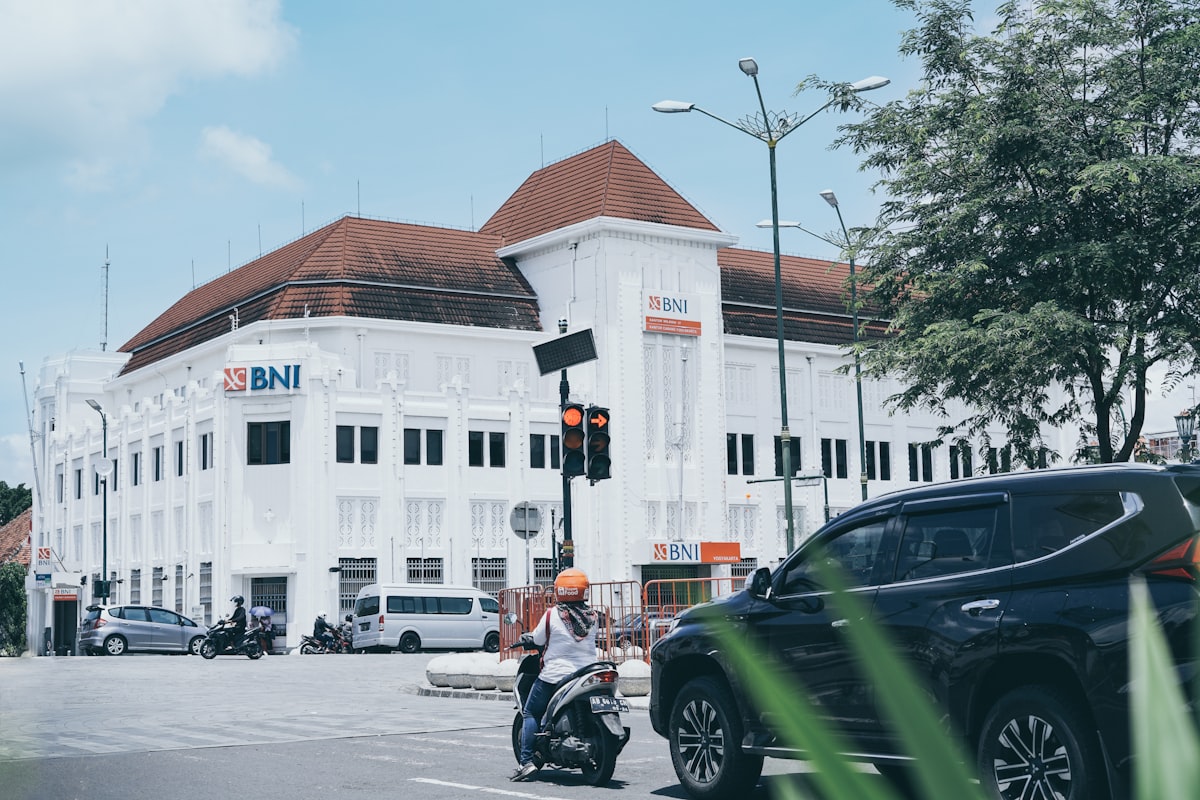
Modern Hue — local markets, Vietnamese coffee culture, and city life entirely off the tourist circuit.
Hue's modern residential and commercial districts, west of the citadel and south of the train station, are where the city actually lives: wet markets, Vietnamese coffee shops, pho stalls, and local businesses with almost no tourist presence. Staying here means longer commutes to the major sights but an authenticity that the citadel strip cannot offer. Hue's famous food scene — bun bo Hue, com hen (tiny clam rice), banh beo — is at its cheapest and most genuine in these neighbourhood markets.
Scores
Walkability
Transit
Price
Local feel
Nightlife
Family-friendly
Centrality
What you gain
- ↑Completely off the tourist trail: real Hue street food at local prices, no English menus required
- ↑Local wet markets operating from 5am: the most authentic urban Vietnam experience in the city
- ↑Cheapest accommodation in the city — small local guesthouses and minhotels at genuine local rates
What you sacrifice
- ↓15–20 minutes by motorbike taxi or Grab from the Imperial Citadel and Royal Tombs
- ↓Very limited English-language support: some Vietnamese or a translation app is needed
- ↓No tourist infrastructure for arranging tours, booking onward transport, or getting city information
Best for
Avoid if
Other Hue neighbourhoods
The walled royal district — Vietnam's most intact imperial city, Dong Ba market, and the Perfume River at your feet.
Budget central — guesthouses, tour agencies, and the most social after-dark scene in Hue.
The Royal Tombs corridor — peaceful, scenic, and the right base for a slow, contemplative Hue experience.
Know where to stay — now find when to go.
Best time to visit Hue →