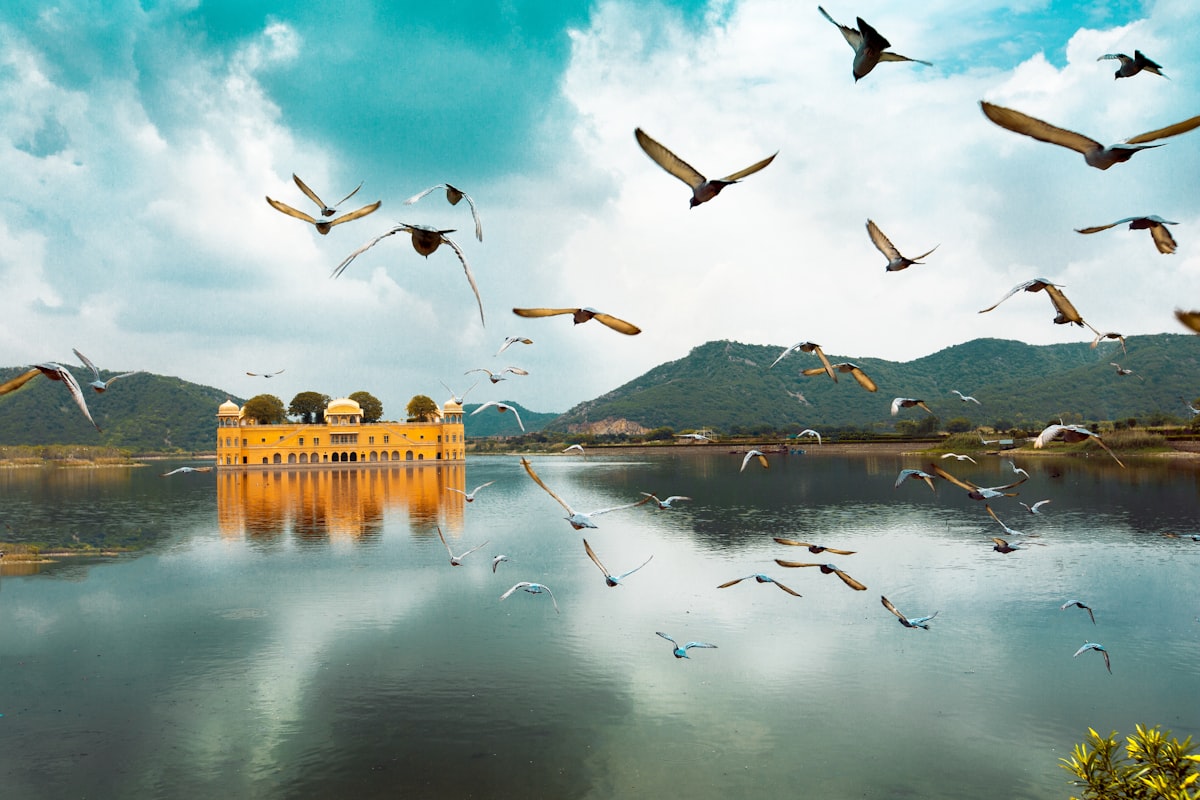
Jaipur
Old City (Pink City)
Unsplash / Unsplash
The walled Rajput capital — Amber Fort, Hawa Mahal, bazaars of gems and textiles, all within the rose walls.
The Old City (the walled city proper, enclosed by a 10km perimeter wall and seven historic gates, established 1727 by Maharaja Jai Singh II) is India's most planned historic city — laid out on a strict grid following Vastu Shastra principles with streets categorised by trade (cloth merchants on one, jewellers on the next, spice traders on the third). The terracotta-rose paint used to colour the buildings was applied for the 1876 visit of the Prince of Wales and has been maintained by municipal law ever since. The density of living heritage — monuments that are still active temples, bazaars that have been operating for 300 years, and havelis whose descendants still live upstairs — is unmatched anywhere in Rajasthan.
Scores
Walkability
Transit
Price
Local feel
Nightlife
Family-friendly
Centrality
What you gain
- ↑Johari Bazaar — the jewellers' market occupying several blocks of the Old City grid — is the world's largest coloured gemstone trading hub. Rubies from Myanmar, emeralds from Colombia and Zambia, and sapphires from Sri Lanka and Kashmir are traded daily. Reputable dealers (look for membership of the Gem and Jewellery Export Promotion Council) will show collections and explain grading; the buying experience, even without purchasing, is remarkable.
- ↑The evening light in the Old City from 4pm to sunset is exceptional. Hawa Mahal (the Palace of the Winds, a 5-storey pink sandstone screen of 953 windows built for the royal women to observe street festivals unseen) glows rose-gold in the late afternoon sun. The view from the rooftop café directly opposite Hawa Mahal — Wind View Café, among others — is the quintessential Jaipur image.
- ↑The food within the walled city is among the most authentic Rajasthani cooking available to visitors. Laxmi Mishthan Bhandar (LMB) on Johari Bazaar has been operating since 1954 and serves the definitive Rajasthani thali. The sweet shops — jalebis, ghevar, and kadhi — along the bazaar are neighbourhood institutions rather than tourist productions.
What you sacrifice
- ↓The Old City is intensely commercial and the vendor pressure in the tourist-facing sections (around Hawa Mahal, near Jantar Mantar) can be overwhelming. Persistent tuk-tuk drivers, unsolicited "guides," and commission-motivated shopkeepers require firm but polite navigation. The experience rewards confident, unhurried visitors and punishes those who seem uncertain.
- ↓Accommodation within the Old City itself is limited — mostly smaller heritage guesthouses (havelis converted to hotels) with basic amenities. The most comfortable accommodation is in the areas just outside the walls (Bani Park, Civil Lines) or the upscale heritage properties like the Rambagh Palace further out.
Best for
Avoid if
Other Jaipur neighbourhoods
The heritage-hotel neighbourhood — converted havelis, quiet tree-lined streets, and walking distance to the Old City.
Colonial-era administrative quarter — wide roads, Rajasthan High Court, and the city's upscale hotels.
Jaipur's upscale modern neighbourhood — boutique fashion, rooftop restaurants, and the city's best café scene.
Know where to stay — now find when to go.
Best time to visit Jaipur →