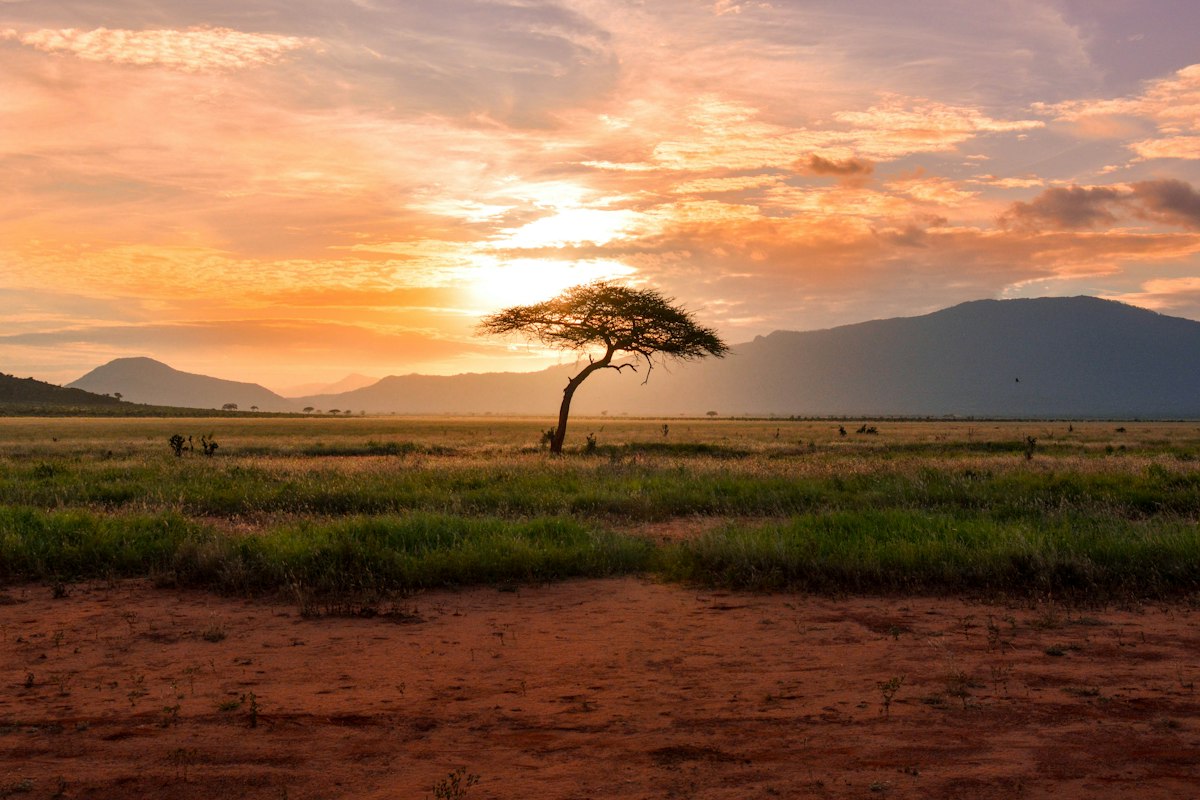
Kenya
Masai Mara
Unsplash / Unsplash
The Great Migration, Big Five daily sightings, and the world's most famous wildlife ecosystem.
The Masai Mara National Reserve and its surrounding private conservancies (Olare-Motorogi, Naboisho, Ol Kinyei, Mara North, Mara Triangle) form the Kenyan side of the Serengeti-Mara ecosystem — 1,510 sq km of open savanna, riverine forest, and rolling hills that support the world's most celebrated wildlife concentration. The Mara River bisects the ecosystem and provides the stage for the Great Migration river crossings. The conservancies, which operate on a low-volume, high-value model (typically 6–8 vehicle limits per sighting), offer a fundamentally different experience from the main reserve's higher-traffic game drives.
Scores
Walkability
Transit
Price
Local feel
Nightlife
Family-friendly
Centrality
What you gain
- ↑The Great Migration (July–October, peak August–September): 1.5 million wildebeest and 200,000 zebra and gazelle move through the Mara ecosystem in the largest terrestrial animal migration on Earth. The Mara River crossing events — where herds of tens of thousands cross simultaneously through 5-metre Nile crocodiles — are one of the most dramatic wildlife spectacles anywhere on the planet.
- ↑The Mara consistently delivers Big Five sightings (lion, leopard, elephant, buffalo, black rhino) year-round. The resident lion prides — Marsh Pride, Paradise Pride, and Rekero Pride — are habituated to vehicles and regularly viewable on morning and afternoon game drives. The Tano Bora cheetah coalition (five male cheetahs operating as a group) is one of the best-documented and most-photographed wildlife phenomena in Africa.
- ↑Premium Mara camps — Angama Mara, Mahali Mzuri (Richard Branson's camp on the Mara North conservancy), AndBeyond Bateleur Camp, Sanctuary Olonana — offer all-inclusive experiences at a standard that equals or exceeds the world's finest hotel resorts: private game drives, walking safaris with armed guides, bush dinners under the stars, and sundowner stops on escarpment viewpoints looking out across the full Mara valley.
What you sacrifice
- ↓The Masai Mara is among the most expensive wildlife destinations in the world during peak season (July–October). Fully inclusive camps run $800–$1,500 per person per night. Budget safari options in the main reserve (group game drives from Narok-based budget operators) do exist at $200–$350pppn but offer a fundamentally different experience from the private conservancy camps.
- ↓Getting to the Mara requires either a 5–6 hour drive from Nairobi on roads of variable quality, or a scheduled or charter flight to one of the Mara's grass airstrips (45 minutes from Nairobi Wilson Airport on Safarilink, Air Kenya, or charter). The charter flight cost adds $200–$500 return per person but is strongly recommended for camps located deep in the conservancies.
Best for
Avoid if
Other Kenya neighbourhoods
The safari capital — excellent restaurants, Nairobi National Park, and the gateway to every ecosystem.
The Rift Valley's freshwater gem — hippos, 400 bird species, Hell's Gate gorge cycling, and the perfect Nairobi day-two.
Kenya's finest Indian Ocean beach — white sand, warm water, and world-class reef diving.
Know where to stay — now find when to go.
Best time to visit Kenya →