Kenya
Samburu & Laikipia
Unsplash / Unsplash
Northern Kenya's secret — rare species, rhino sanctuaries, and the most exclusive camps in Africa.
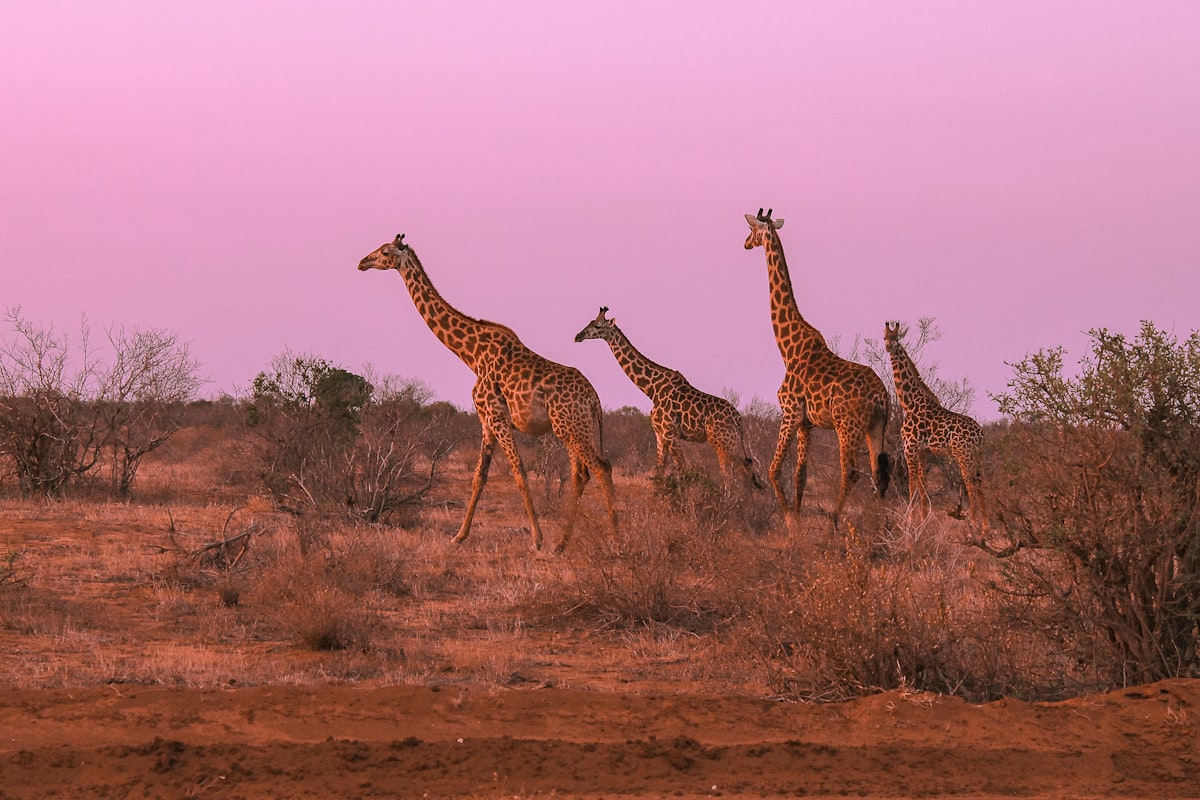
Samburu National Reserve (200km north of Nairobi) and the Laikipia Plateau (Kenya's second-largest wildlife area, a high-altitude plateau of private conservancies between Nanyuki and Nyahururu) offer a fundamentally different wildlife experience from the Masai Mara. The northern landscape — arid, big-sky country along the Ewaso Ng'iro River in Samburu; open grassland and highland cedar forest on Laikipia — supports species not found in the south: reticulated giraffe (the world's largest, with distinctive bold polygonal markings), Grevy's zebra (the largest wild equid), Beisa oryx, Somali ostrich, and gerenuk. Laikipia hosts Kenya's largest black rhino population outside of a national park.
Scores
Walkability
Transit
Price
Local feel
Nightlife
Family-friendly
Centrality
What you gain
- ↑Ol Pejeta Conservancy (35,000 acres, Laikipia) is the largest black rhino sanctuary in East Africa and home to the last two northern white rhinos on Earth (Najin and Fatu, mother and daughter, under 24-hour guard). Rhino tracking on foot with an armed ranger is an extraordinary experience not replicable anywhere in the Mara ecosystem. Ol Pejeta also has chimpanzee habituation (the only chimps in Kenya, housed at a Jane Goodall Institute sanctuary).
- ↑Samburu's private conservancies — Sasaab, Elephant Bedroom Camp, Saruni Samburu — operate on an even more exclusive model than the Mara conservancies. Wildlife drives here involve the genuine possibility of going an entire morning without seeing another vehicle. The northern landscape, along the red-earth banks of the Ewaso Ng'iro River with its doum palms and riverine bush, photographs completely differently from the open Mara savanna.
- ↑The Laikipia plateau community-based conservancy model is one of Africa's most successful wildlife conservation stories. Ranches converted from cattle to wildlife have allowed Grevy's zebra (critically endangered) and African wild dog populations to recover. Lewa Wildlife Conservancy (Laikipia) runs its own airstrip and its own marathon (the Safaricom Lewa Marathon, June) through the wildlife areas — a bucket-list combination of running and wildlife.
What you sacrifice
- ↓Samburu and northern Laikipia are significantly further from Nairobi than the Mara and require a charter flight ($300–$500 per person return) or a 5+ hour drive on increasingly rough roads. The logistical commitment is higher than the more accessible southern circuit.
- ↓Premium camps in Samburu and Laikipia are among the most expensive in Kenya — Ol Jogi's private house, Segera Retreat, and Ol Pejeta's Ol Pejeta House all operate at $500–$1,000+pppn. While the experience justifies the cost for those who prioritise exclusivity, it's even more financially committed than the Mara.
Best for
Avoid if
Other Kenya neighbourhoods
The safari capital — excellent restaurants, Nairobi National Park, and the gateway to every ecosystem.
The Rift Valley's freshwater gem — hippos, 400 bird species, Hell's Gate gorge cycling, and the perfect Nairobi day-two.
Kenya's finest Indian Ocean beach — white sand, warm water, and world-class reef diving.
Know where to stay — now find when to go.
Best time to visit Kenya →