Kenya
Watamu & Malindi
Unsplash / Unsplash
Kenya's north coast secret — sea turtle nesting beaches, pristine coral gardens, and the medieval ruins of Gede.
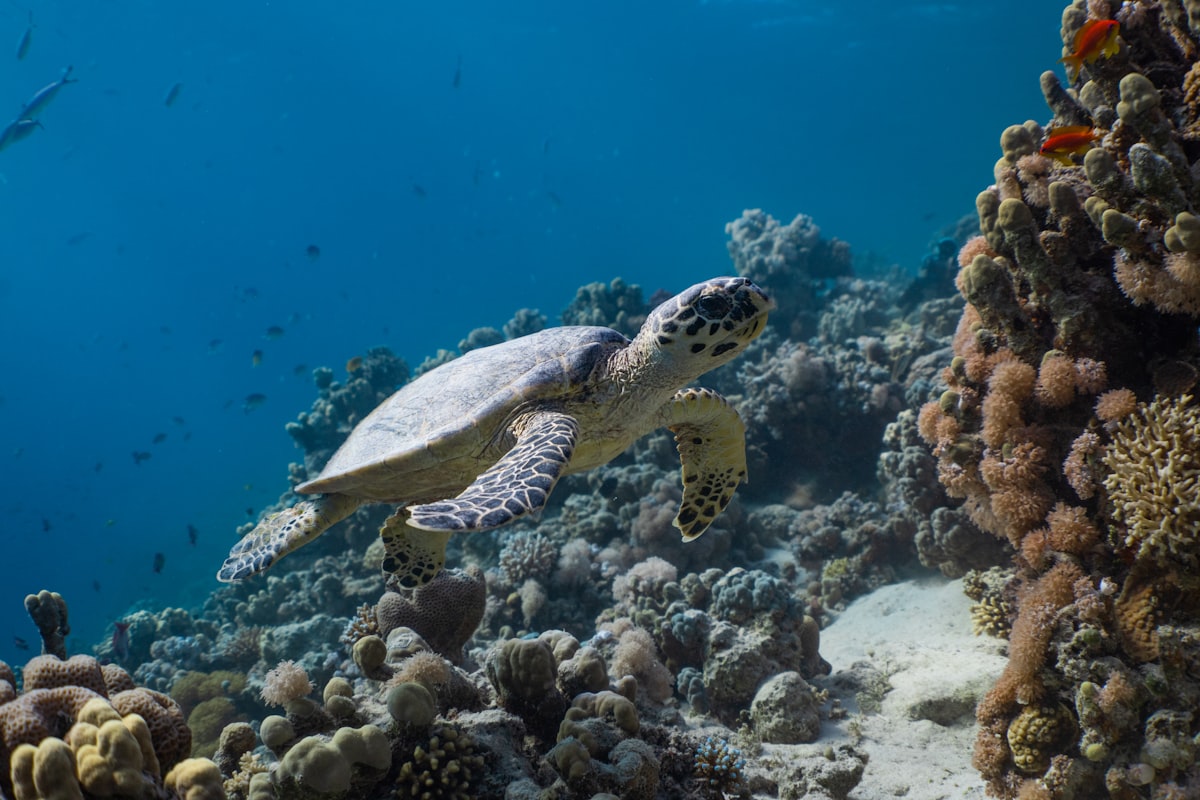
Watamu is a small coastal town 120km north of Mombasa with a combination of assets that makes it one of Kenya's most rewarding beach destinations: a marine national park and reserve protecting some of the Indian Ocean's best-preserved coral gardens, a sea turtle nesting programme run by the Kenya Sea Turtle Conservation Project (green and hawksbill turtles nest on the beach September–April), and an intimate village character that the larger Diani resort strip has lost. The adjacent Malindi, 20km north, is a larger town with a centuries-old Swahili-Portuguese history (Vasco da Gama landed here in 1498), an Italian expat community that has produced the best coastal Italian restaurants in East Africa, and the Watamu–Malindi Marine National Reserves protecting 40km of continuous reef. The medieval Gede Ruins — a Swahili-Arabic city of 2,500 people abandoned in the 17th century and reclaimed by forest — lie 4km inland from Watamu and are among the most atmospheric archaeological sites in coastal Africa.
Scores
Walkability
Transit
Price
Local feel
Nightlife
Family-friendly
Centrality
What you gain
- ↑Sea turtle encounters at Watamu: the Kenya Sea Turtle Conservation Project (based at Watamu Marine Association) monitors nesting green and hawksbill turtles year-round; dawn beach walks during nesting season (October–March) may find hatchlings emerging from sand nests toward the ocean; snorkelling in the Watamu Marine National Park regularly delivers hawksbill turtles grazing on the reef in 3–8m water — this is the most reliably accessible turtle snorkelling experience on the Kenyan coast
- ↑Watamu Marine National Park coral gardens: the combination of a long-established marine protected area, low visitor volume compared to the Mombasa reef dive sites, and nutrient-rich upwelling from the Malindi gyre creates exceptionally healthy coral coverage; sites like Blue Lagoon (8–12m) and Turtle Bay inner reef (3–6m) have coral gardens where parrotfish, Napoleon wrasse, and giant moray eels are routine sightings; glass-bottom boat trips are the most accessible entry point
- ↑Gede Ruins at dawn: the ruins of the 12th–17th century Swahili-Arabic city of Gede — streets, houses, palace, mosques, and a market all preserved under the canopy of coastal forest — are best visited when the gates open at 7am, before tour groups arrive; the combination of the coral rag stone architecture and the forest that has grown through it (with resident Sykes' monkeys and forest birds) gives Gede an atmosphere of genuine forgotten-civilization quality; it is one of the most undervisited sites of real historical significance on the East African coast
What you sacrifice
- ↓Watamu is less connected than Diani — the nearest airport is Malindi (20km, served by daily flights from Nairobi on Safarilink and AirKenya) or Mombasa (120km, requiring a 2-hour drive north on the B8 coast road); the road north from Mombasa through Kilifi and Watamu is scenic but slow (average 40km/h), and the Mombasa–Watamu transfer requires several hours; those integrating it with a wider Kenya circuit need to plan the transit carefully
- ↓The accommodation scene in Watamu is smaller and more limited than Diani — a handful of good mid-range hotels (Hemingways Watamu, Ocean Sports Resort, Turtle Bay Beach Club) and a range of guesthouses, but no large resort infrastructure; those wanting extensive hotel amenities or entertainment options will find Watamu's scale limiting
Best for
Avoid if
Other Kenya neighbourhoods
The safari capital — excellent restaurants, Nairobi National Park, and the gateway to every ecosystem.
The Rift Valley's freshwater gem — hippos, 400 bird species, Hell's Gate gorge cycling, and the perfect Nairobi day-two.
Kenya's finest Indian Ocean beach — white sand, warm water, and world-class reef diving.
Know where to stay — now find when to go.
Best time to visit Kenya →