Lyon
Confluence
Ludovic Charlet / Unsplash
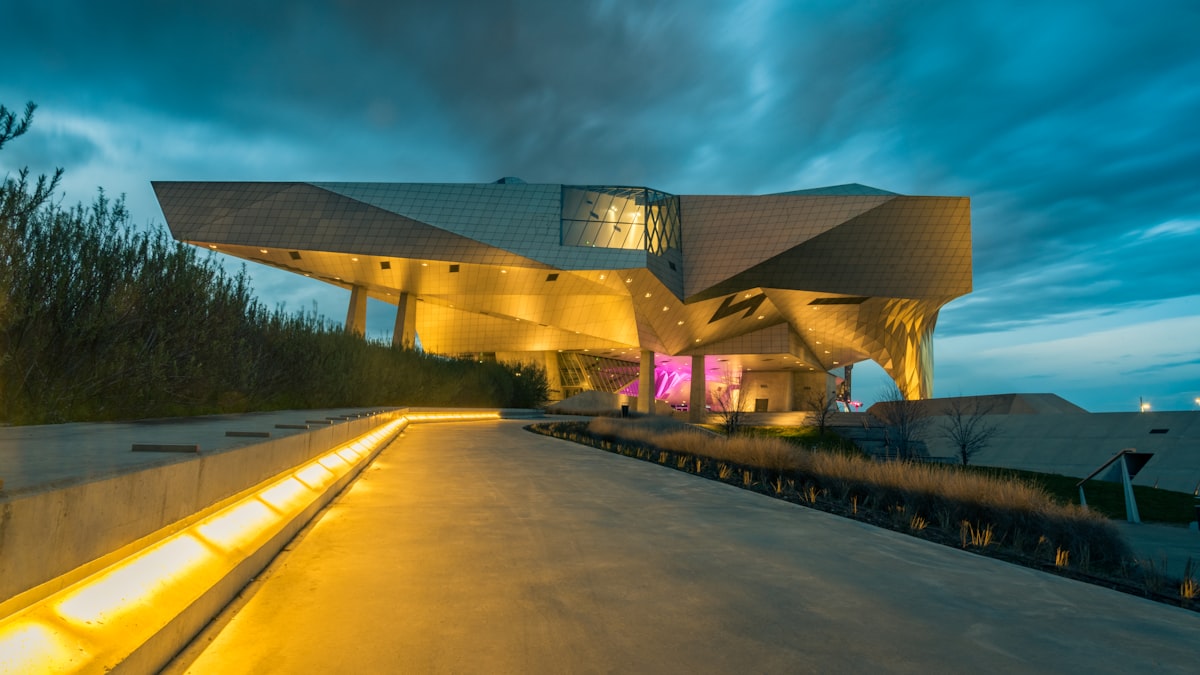
Contemporary waterfront regeneration — Lyon's architectural statement, with a world-class modern museum.
Confluence occupies the tip of the Presqu'île where the Rhône and Saône rivers meet — a post-industrial docklands redeveloped since 2003 into one of France's most ambitious urban regeneration projects. The Musée des Confluences (a spectacular deconstructivist building designed by Coop Himmelb(l)au) anchors the district. Around it: design-led apartment buildings, a shopping centre with architecture worth visiting in itself, and a riverside walkway at the confluence point. It is modern, planned, and culturally serious — but lacks the organic character of Lyon's older neighbourhoods.
Scores
Walkability
Transit
Price
Local feel
Nightlife
Family-friendly
Centrality
What you gain
- ↑Musée des Confluences: one of the best natural history and anthropology museums in France, housed in a genuinely spectacular building — allow half a day
- ↑The actual confluence of the Rhône and Saône is walkable from the museum — a unique urban geography moment
- ↑Modern architecture enthusiasts will find the district compelling: Coop Himmelb(l)au, Odile Decq, and the Euronews building all within walking distance
What you sacrifice
- ↓No traditional Lyon character — Confluence is intentionally contemporary; bouchons and cobblestones are absent
- ↓Limited independent restaurants; dining options skew toward the shopping centre food court and chains
- ↓A tram or 20-minute walk from the Presqu'île; not walkable to Vieux Lyon or Croix-Rousse
Best for
Avoid if
Other Lyon neighbourhoods
Lyon's city-centre peninsula — the best base for access, shopping, dining, and Fête des Lumières.
The weavers' hill — bohemian, market-driven, and the neighbourhood where Lyonnais actually want to live.
Medieval UNESCO old town with traboules, bouchons, and the most atmospheric streets in France — but heavily touristed.
Know where to stay — now find when to go.
Best time to visit Lyon →