Namibia
Etosha National Park
Unsplash / Unsplash
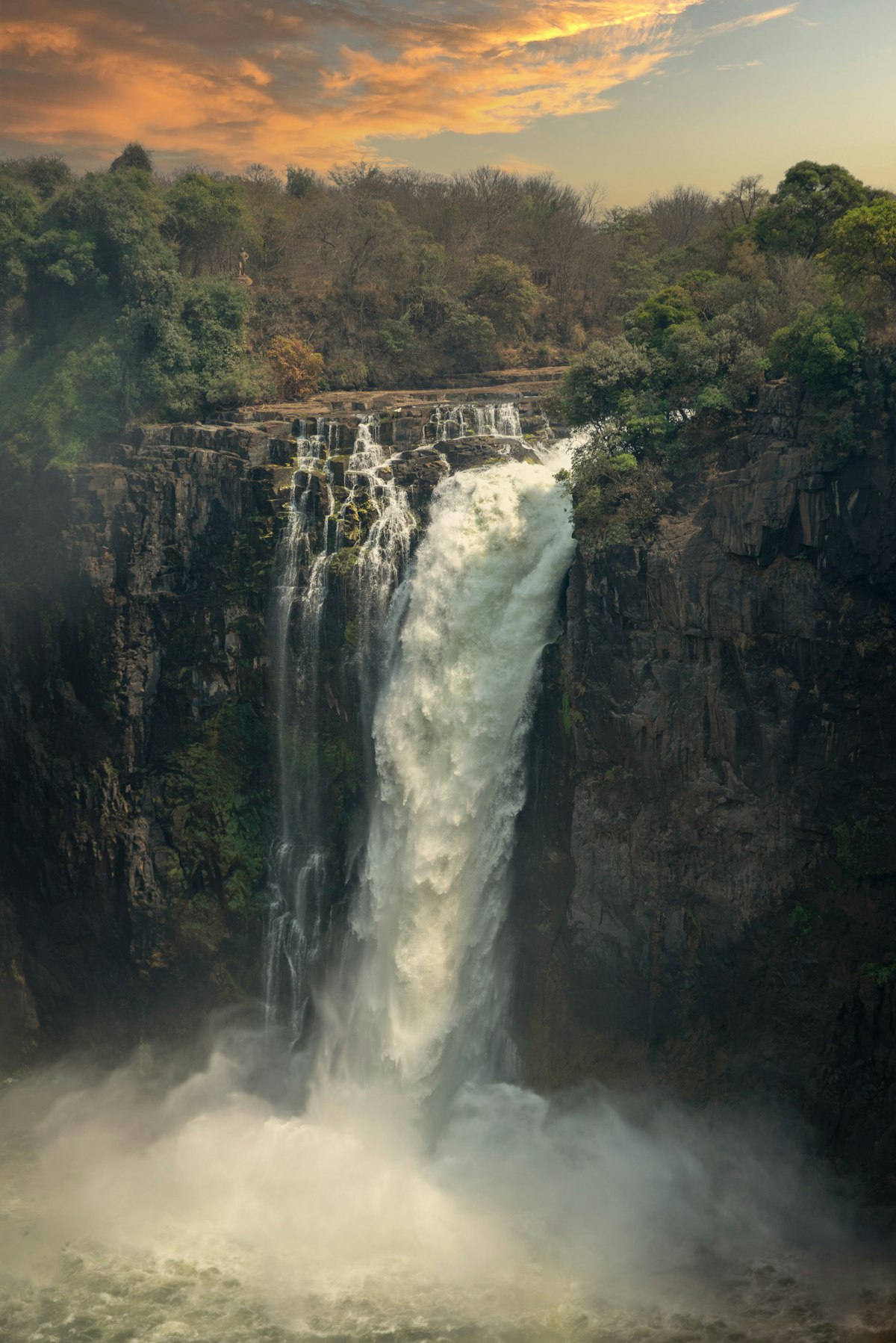
One of Africa's great wildlife parks — floodlit waterholes at night, black rhino, lion, and the most accessible self-drive safari in Africa.
One of Africa's great wildlife parks — a vast salt pan surrounded by floodlit waterholes where lion, leopard, black rhino, elephant and giraffe visit nightly. Three rest camps (Okaukuejo, Halali, Namutoni) allow self-drive safaris with comfortable bungalows. The most accessible and reliable game-viewing in southern Africa.
Scores
Walkability
Transit
Price
Local feel
Nightlife
Family-friendly
Centrality
What you gain
- ↑The floodlit waterhole at Okaukuejo camp delivers night wildlife viewing unlike anywhere else in Africa: black rhino in particular visit the waterhole at night with a reliability that makes Etosha one of the last remaining places where guaranteed close-range rhino encounters are possible from a fixed position
- ↑Etosha's self-drive model is the most accessible safari format in Africa: a standard rental 2WD car can access the main game-viewing roads, the rest camps provide comfortable accommodation without the premium lodge costs of East Africa, and the wildlife density is high enough that first-time safari visitors reliably encounter all major species
- ↑The Etosha salt pan — 5,000 square kilometres of shimmering white flat — creates an visual backdrop unlike any other African game reserve: animals silhouetted against the white pan on game drives and the mirage effects on hot afternoons produce photographs entirely unique to this landscape
What you sacrifice
- ↓Etosha's self-drive format requires spending many hours in a vehicle: the long distances between waterholes and camps, combined with the rule prohibiting exit from vehicles outside designated areas, means that Etosha rewards patient observers more than those expecting immediate encounters
- ↓The dry season (July–October) is when the wildlife is most concentrated at waterholes but the landscape is brown and dusty — the green season (January–March) produces better landscape photography but dispersed wildlife
Best for
Avoid if
Other Namibia neighbourhoods
Namibia's capital — the main international airport, best accommodation, and the practical start and end of every itinerary.
The eerie Atlantic coastline of shipwrecks and seal colonies, ending in the German colonial town of Swakopmund.
The world's highest sand dunes — Dune 45, Deadvlei's dead camel thorn trees, and the ancient silence of the Namib.
Know where to stay — now find when to go.
Best time to visit Namibia →