Oslo
Aker Brygge & Tjuvholmen
Unsplash / Unsplash
Oslo's waterfront showcase — museums, restaurants, and the Astrup Fearnley on a reformed industrial pier.
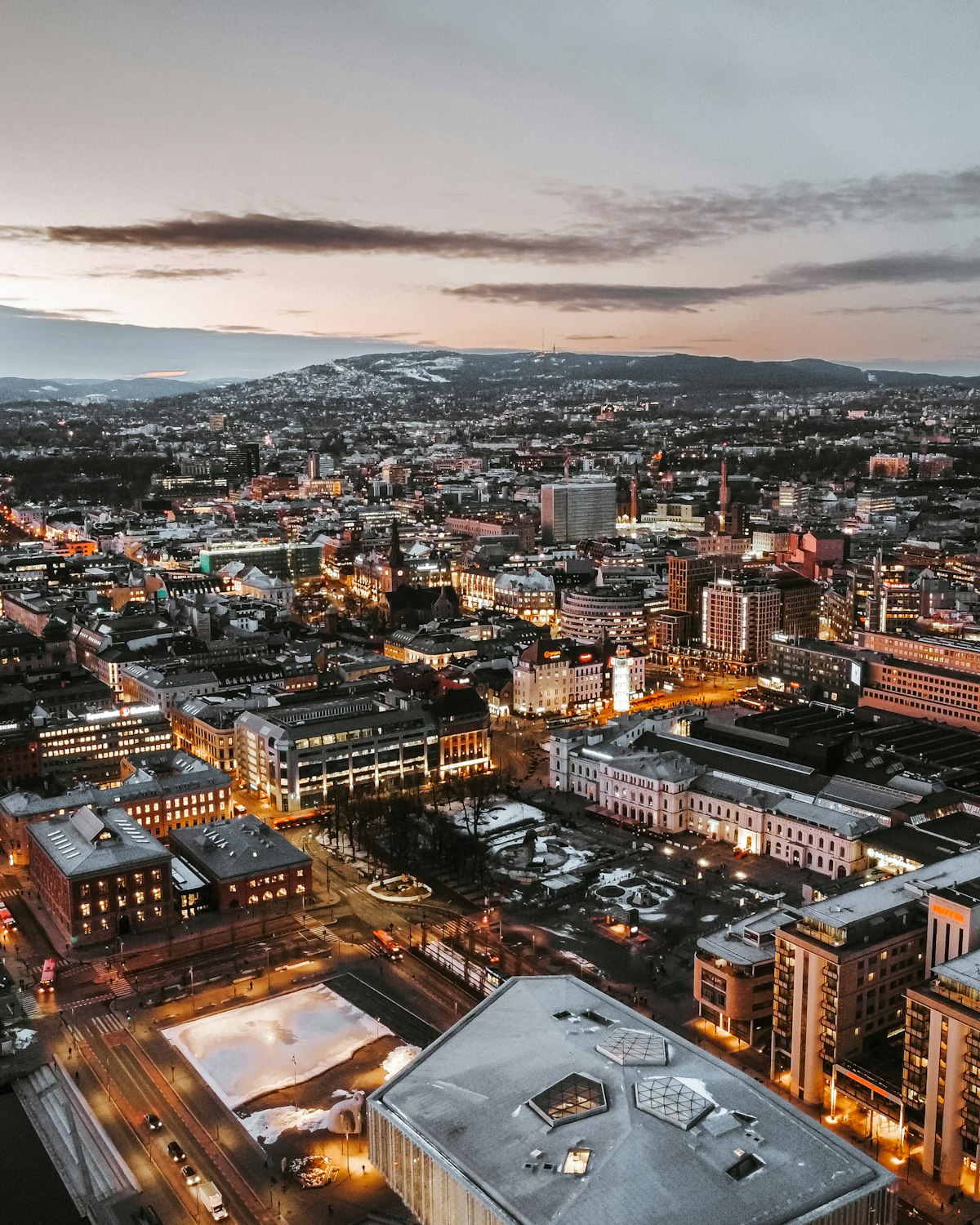
Aker Brygge (transformed from a 19th-century shipyard in the 1980s) and the adjacent Tjuvholmen art quarter form Oslo's showpiece waterfront: a mix of glass-and-steel residential towers, open-air restaurants, the Nobel Peace Center, and the Astrup Fearnley Museum of Modern Art (Renzo Piano building, 2012). The Tjuvholmen Sculpture Park is free and excellent. The Oslofjord ferry dock for summer island trips operates from here. In summer, this is where Oslo comes to be seen; in winter, it's hauntingly beautiful under ice and northern grey light.
Scores
Walkability
Transit
Price
Local feel
Nightlife
Family-friendly
Centrality
What you gain
- ↑The Astrup Fearnley Museum of Modern Art is one of Scandinavia's finest private art collections housed in a Renzo Piano building with a canal running through it — the permanent collection (Damien Hirst, Jeff Koons, Cindy Sherman) and temporary exhibitions are world-class
- ↑Summer evening dining at the Aker Brygge restaurant terrace — Lekter'n for burgers and beer, Maaemo for Norway's three Michelin stars, the floating dock restaurants — with the Oslofjord and Bygdøy peninsula visible is one of northern Europe's great outdoor dining settings
- ↑The Nobel Peace Center directly adjacent is one of the most intelligently designed issue-advocacy museums in the world — even without the December ceremony, the permanent and temporary exhibitions earn a 2-hour visit
What you sacrifice
- ↓Aker Brygge and Tjuvholmen are Oslo's most expensive neighbourhoods for accommodation and dining — a glass of wine at a terrace restaurant costs 130–180 NOK ($12–17), and dinner for two starts at 1,200 NOK without wine
- ↓In winter (October–April), the waterfront loses its summer energy dramatically: restaurants half-close, outdoor terraces retract, and the area feels underused relative to its architecture. Summer is when it justifies its prices.
Best for
Avoid if
Other Oslo neighbourhoods
Oslo's multicultural quarter — the Grønland Basar, Middle Eastern food, and the city's most affordable dining.
Oslo's creative heartland — the Akerselva river, vintage shops, and the city's best café culture.
Upscale Oslo — Vigeland Sculpture Park, embassy villas, and the city's best food shopping.
Know where to stay — now find when to go.
Best time to visit Oslo →