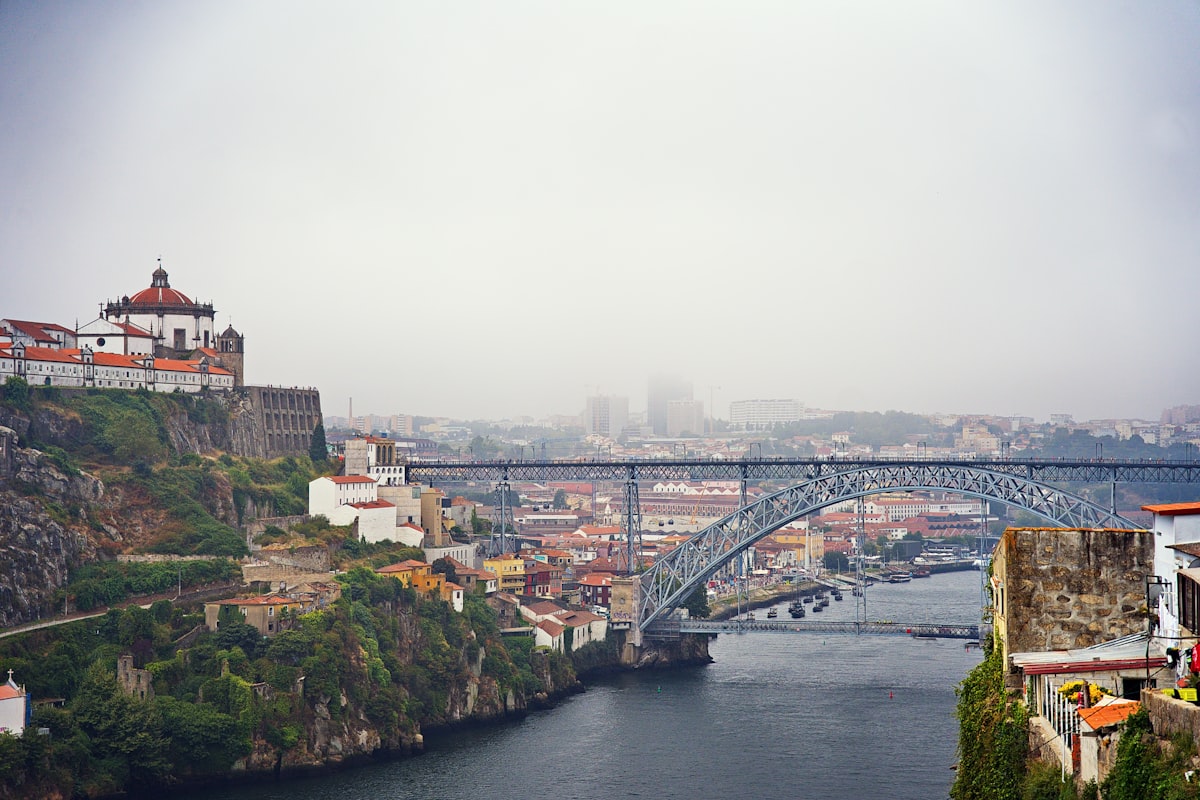
Porto
Bonfim
Dean Milenkovic / Unsplash
Porto's emerging neighbourhood — a local residential feel, the city's best independent restaurants, and almost no tourist infrastructure.
Bonfim sits immediately east of the historic centre and is the neighbourhood that Porto's food and design community has quietly colonised over the past decade. The streets are lined with azulejo-tiled early twentieth-century houses, the cafés are run by the generation that studied in Lisbon and came back, and the restaurants — several of which rank among the best in the city — are booked by Portuenses rather than tour groups. It is not undiscovered, but it retains a residential character that the Ribeira abandoned years ago.
Scores
Walkability
Transit
Price
Local feel
Nightlife
Family-friendly
Centrality
What you gain
- ↑The best independent restaurant scene in Porto: small-plates restaurants, natural wine bars, and modern tascas doing creative Portuguese cooking that earns the city's culinary reputation — all within a walkable radius
- ↑A genuinely local neighbourhood where the cafés are full of residents rather than tourists, the bakeries do not have queues, and the azulejo facades on the side streets are not yet commodified
- ↑Close enough to the Ribeira and the historic centre to walk to the main sights, but far enough to feel like you're staying in a real part of Porto
What you sacrifice
- ↓Accommodation options are limited — no major hotel brands; visitors stay in small guesthouses, renovated apartments, or boutique properties that are excellent but short on facilities
- ↓Nightlife is neighbourhood-scaled; there are good bars but Bonfim winds down earlier than the Ribeira and requires a short trip to reach Porto's livelier late-night venues
- ↓The neighbourhood's best restaurants have become genuinely competitive to book — planning ahead of 1–2 weeks is necessary for the most sought-after tables
Best for
Avoid if
Other Porto neighbourhoods
Porto's grand civic spine — the Avenida dos Aliados, the São Bento station, the Bolhão market, and the commercial heart of the city.
Porto's bohemian quarter — independent galleries, vintage shops, the city's creative class, and some of its most interesting cafés.
Porto's UNESCO-listed waterfront — the Dom Luís I bridge, the rabelo boats, and the city's most recognisable views.
Know where to stay — now find when to go.
Best time to visit Porto →