Tbilisi
Old Tbilisi / Abanotubani
Unsplash / Unsplash
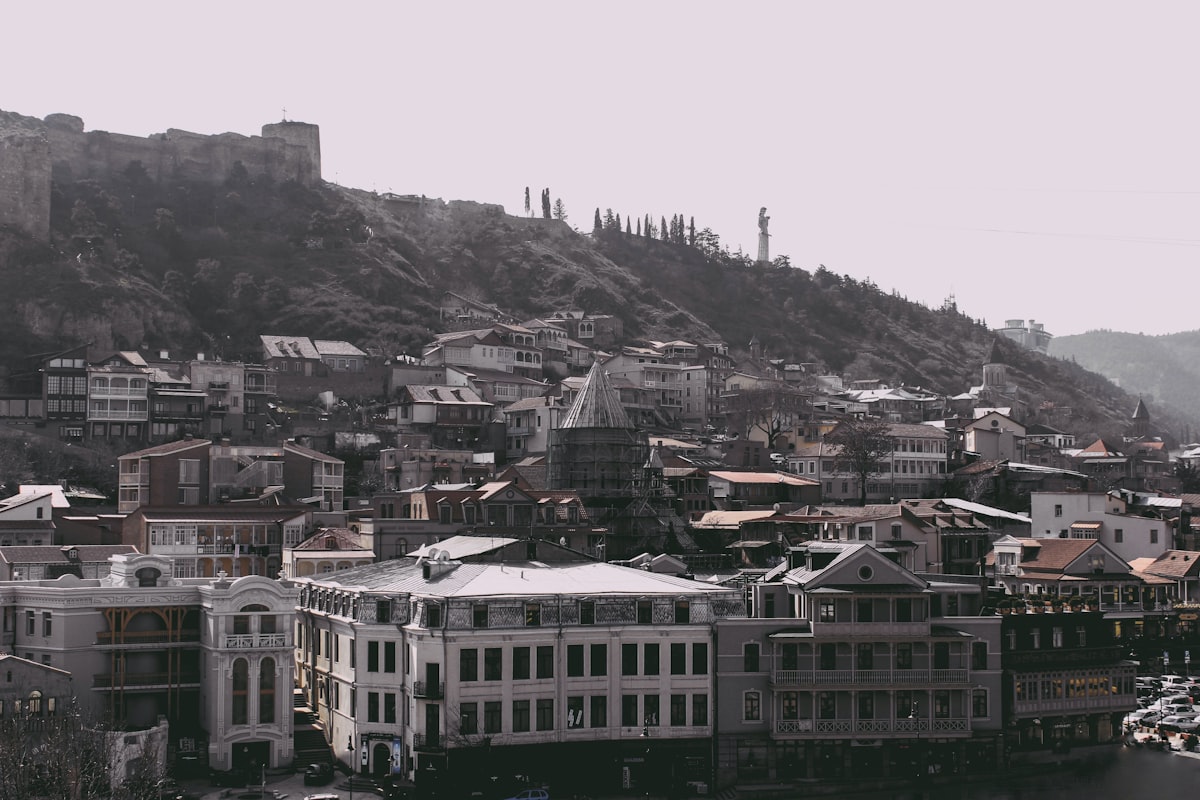
The soul of the city — sulphur baths, wooden-balconied houses, and winding streets that predate the Russian Empire.
Old Tbilisi is the reason the city exists: founded in the 5th century around sulphur springs that still bubble at 37–42°C, the district of Abanotubani (bath district) retains its distinctive domed bathhouses alongside the carved wooden balconies of the surrounding streets. The steep climb to Narikala Fortress offers the best views over the city; the cable car up to Mtatsminda Park leaves from here; and the concentration of independent wine bars, traditional restaurants, and antique shops within a few hundred metres makes this the most compressed and rewarding neighbourhood in the Caucasus. It is visited by every tourist who comes to Tbilisi, but has not been flattened into a theme park — it still functions as a neighbourhood.
Scores
Walkability
Transit
Price
Local feel
Nightlife
Family-friendly
Centrality
What you gain
- ↑The sulphur baths (Chreli-Abano, Gulo's bathhouse, and others) — private rooms with natural 38°C mineral water bookable by the hour; an institution of Tbilisi life since the 5th century and one of the most distinctive and affordable experiences in any city in Europe
- ↑Narikala Fortress and the Mother Georgia statue — the hike up is free, the views are extraordinary, and the path winds through some of the most atmospheric streets in the Caucasus
- ↑The most concentrated good food and wine in the city: Shavi Lomi, Barbarestan, and several serious natural wine bars are within a 10-minute walk of Abanotubani's central square
What you sacrifice
- ↓The terrain is steep; Old Tbilisi's cobbled alleys and staircase streets are beautiful but demand effort — those with mobility limitations will find significant parts of the neighbourhood inaccessible
- ↓The most tourist-visited neighbourhood in the city; summer evenings bring genuine crowds to the main streets, and the most popular wine bars can have waits of 30–45 minutes
- ↓Accommodation with air conditioning is inconsistent — the old buildings were not designed for it, and summer nights in poorly ventilated rooms can be uncomfortable
Best for
Avoid if
Other Tbilisi neighbourhoods
Tbilisi's civic spine — the National Museum, Opera House, and Parliament all on one wide 19th-century boulevard.
Tbilisi's best neighbourhood for independent restaurants and natural wine bars — where younger Georgians and expats eat.
Below the Narikala Fortress — bohemian, gentrifying fast, and visually the most striking neighbourhood in the city.
Know where to stay — now find when to go.
Best time to visit Tbilisi →