Bora Bora · Month comparison
August vs May
May ranks #1 overall vs August at #5. Dry season begins — the lagoon turns its iconic turquoise, temperatures are pleasant, and the humpback whale season opens.
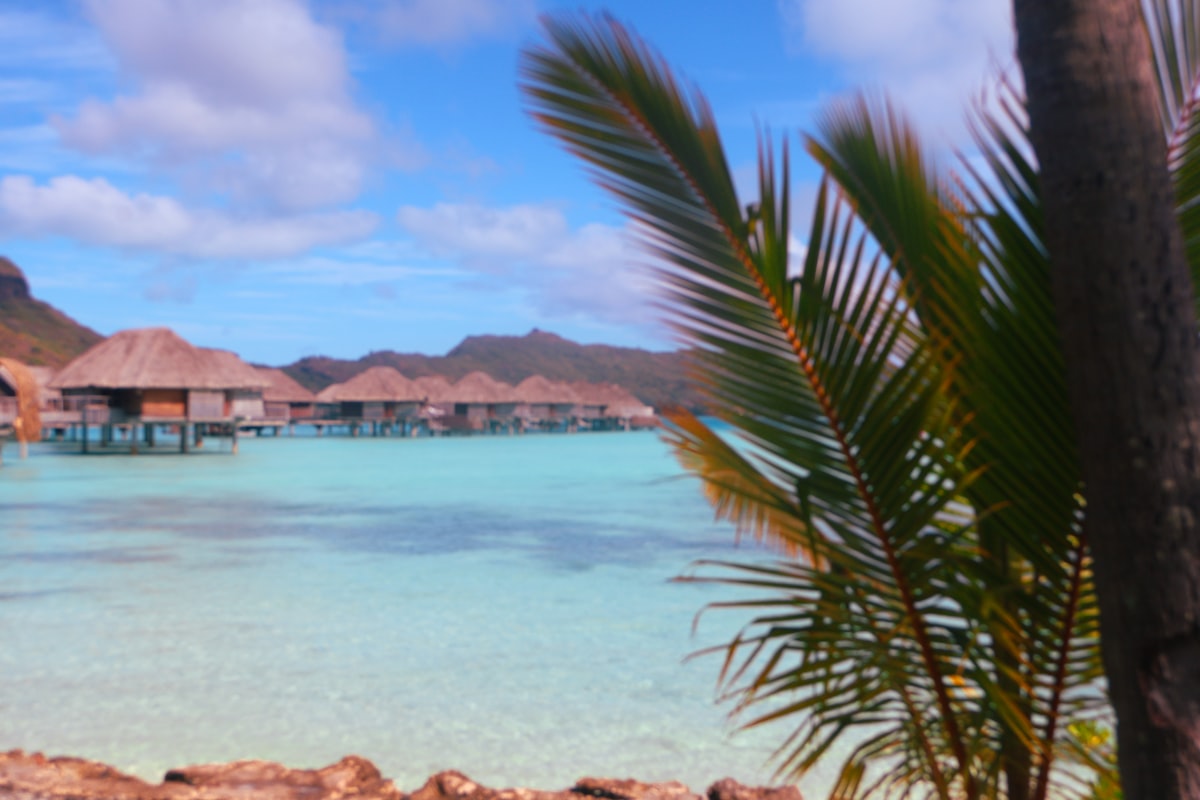
August
#5 of 12 months
Best match
Equally perfect — July conditions continue, still peak season prices, humpback whale season at maximum.
- ↑August matches July in weather quality and humpback whale abundance — the slight difference is that European school holidays (August is the peak French holiday month) add a family tourism dimension alongside the honeymooner demographic; the resort atmosphere in August is slightly more mixed in character than July's uniformly romantic intensity
- ↑Diving in August: the lagoon's visibility peaks (25–30m) and water temperature is perfectly comfortable (28°C) — the reef sharks, rays, and sea turtles of Bora Bora's lagoon are all at maximum activity; the Tupai atoll day trip (a heart-shaped atoll 25km north of Bora Bora) is at its most spectacular in the dry season
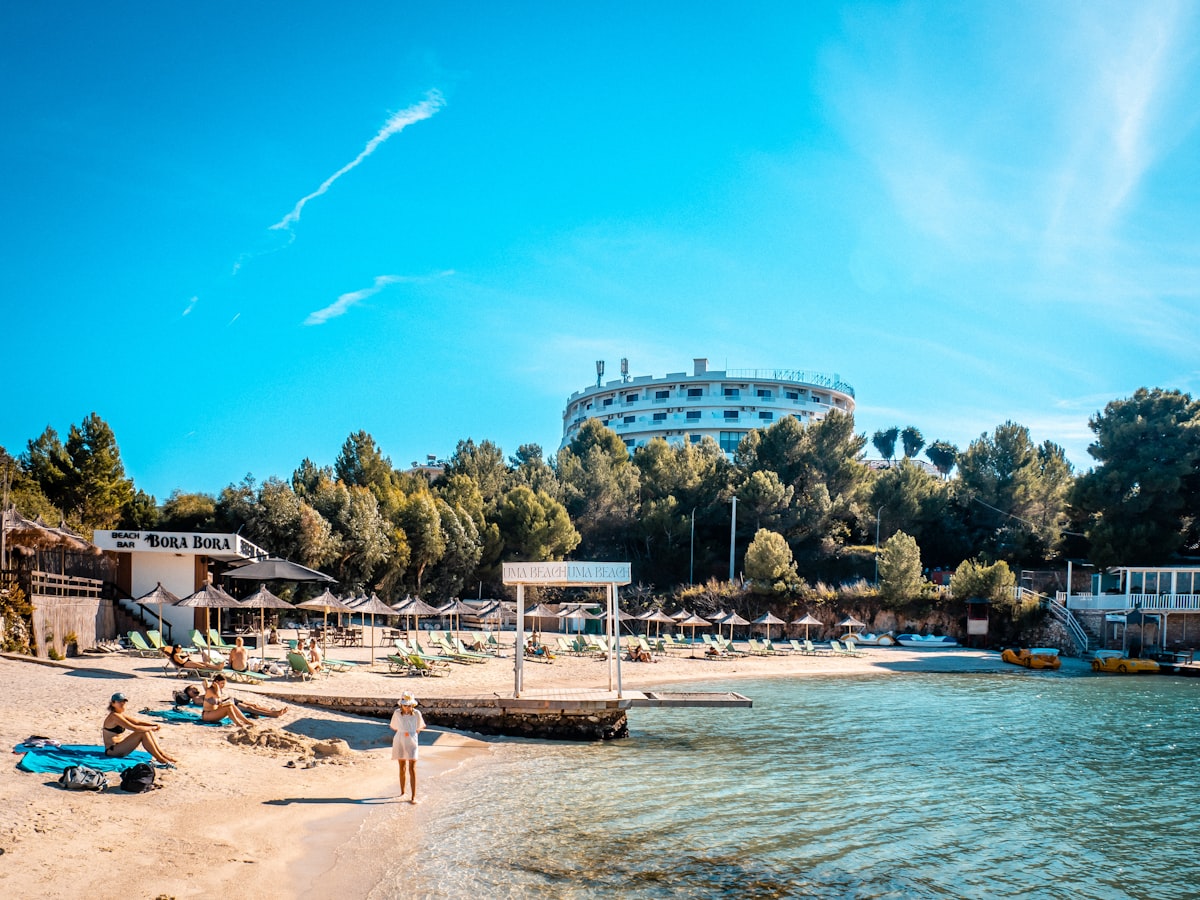
May
#1 of 12 months
Best match
Dry season begins — the lagoon turns its iconic turquoise, temperatures are pleasant, and the humpback whale season opens.
- ↑May marks the beginning of Bora Bora's dry season: rainfall drops to 90mm, the trade winds arrive from the southeast bringing clear skies and a comfortable breeze that takes the edge off the tropical heat, and the lagoon achieves the vivid turquoise colour that defines Bora Bora in the global imagination — the combination of the coral sand motu, the turquoise lagoon, and Mount Otemanu in clear sky is at its best from May onwards
- ↑Humpback whale season fully opens in May — whales arrive from their Antarctic feeding grounds and use French Polynesia's warm waters for breeding and calving; boat tours from the Bora Bora pier offer encounters (the whales approach the boats out of curiosity), and snorkelling alongside a 15-metre humpback is among the most singular wildlife experiences available in the Pacific
| Factor | August | May |
|---|---|---|
| Weather score | 10 | 8 |
| Value score | 3 | 7 |
| Crowd score | 2 | 6 |
| Events score | 7 | 6 |
| Atmosphere | 9 | 9 |
| Avg high temp | 26°C | 28°C |
| Monthly rain | 38mm | 90mm |
| Daily sunshine | 9.5hrs | 8.5hrs |
August trade-offs
- ↓August is as expensive as July across all accommodation categories and advance booking is equally essential
- ↓The humpback whale encounters that peak in July–August are on snorkel trips that depend on whale behaviour — encounters are not guaranteed; operators are prohibited from approaching within specified distances and the whale must choose to approach; allow 2–3 trips for a high probability encounter
- ↓Peak season trade wind strength can occasionally make afternoon lagoon activities uncomfortable: consistent 25-knot trade winds create choppy conditions on the outer lagoon that make some speedboat excursions rough; morning excursions before the trade wind builds (before 11am) are consistently smoother
May trade-offs
- ↓Some residual rainfall remains in May (90mm) — the dry season in Bora Bora is never bone-dry; brief tropical showers are still possible daily, though they typically last 30 minutes and are followed by sunshine
- ↓Crowds begin building in May as European visitors target the shoulder season and Tahiti-based tour packages ramp up; the best overwater bungalow categories fill up 3–4 months in advance for May stays
- ↓Temperatures drop slightly from the wet season highs — 28°C days with the trade wind chill create what is subjectively the most comfortable temperature range of the year, but those who equate tropical with very hot may find May slightly cool for extended lagoon swimming
Scores compare months within Bora Bora. Climate data: Open Meteo ERA5 30-year normals (1991–2020). Methodology →