Tanzania · Month comparison
August vs February
February ranks #1 overall vs August at #3. Peak calving season — the Serengeti's most dramatic predator activity and the finest wildlife photography month.
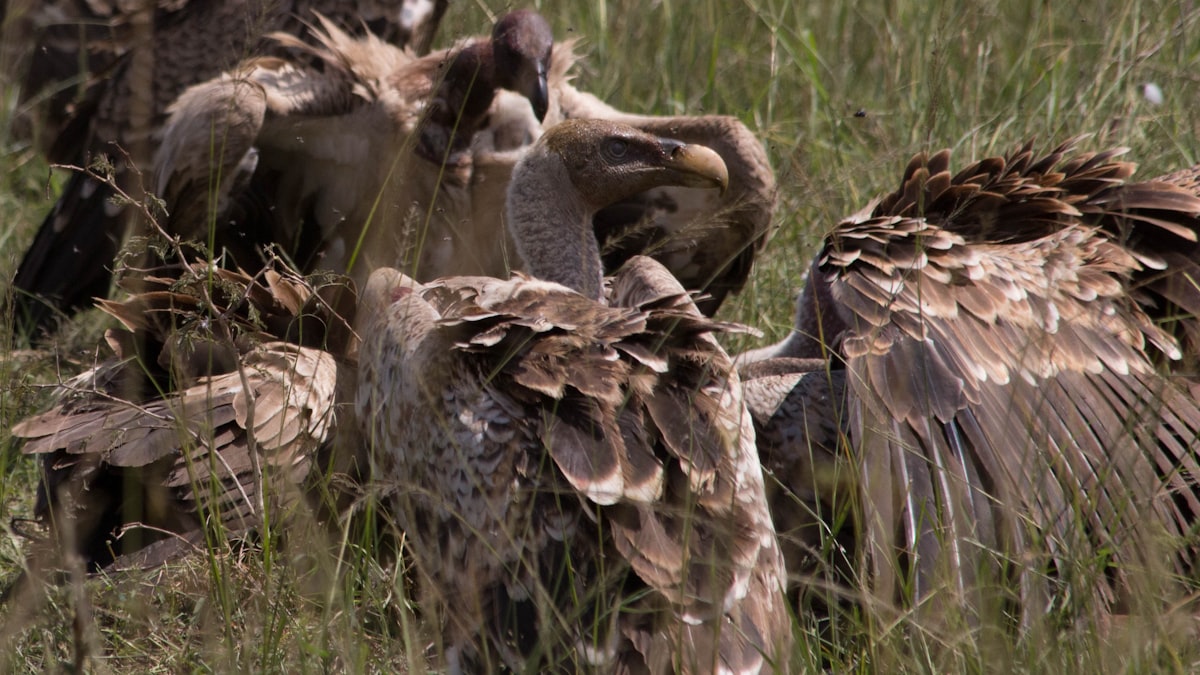
August
#3 of 12 months
Best match
Migration peak continues — the driest and clearest month, with the most consistent river crossing activity.
- ↑August is arguably the finest single month for the Mara River crossings: the wildebeest numbers in the northern Serengeti reach their maximum, the river is at its dryest and therefore crossed most frequently (smaller banks = shorter swim = higher frequency), and the crocodile ambushes are at peak intensity; the crossing point at Kogatende in the northern Serengeti is the most visited but the least-visited crossing at Sand River on the Kenya border can offer more intimate experiences
- ↑The longest sunshine hours of the year (9 hours daily) combined with the lowest humidity (62%) create the finest photographic conditions in Tanzania: the golden-hour windows at dawn and dusk produce the classic open-savannah big-cat images that define the destination, and the clear atmosphere means telephoto shots across open distances retain full quality
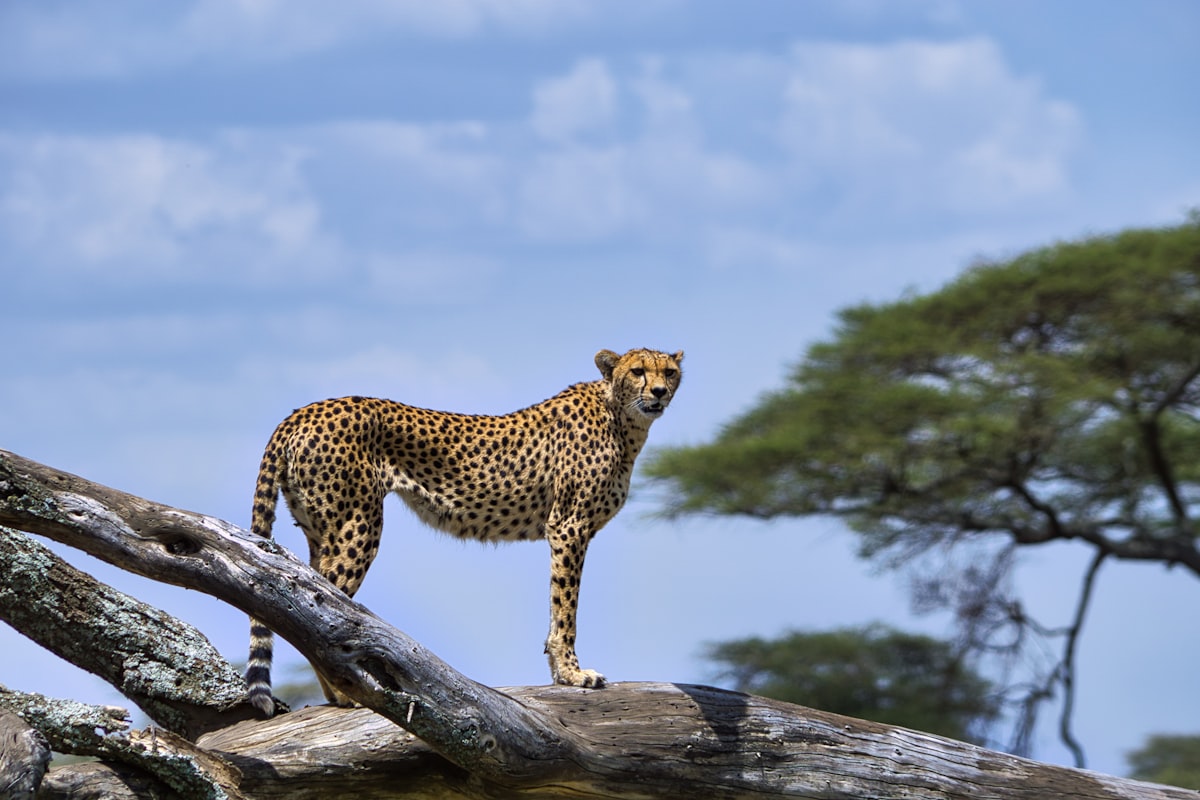
February
#1 of 12 months
Best match
Peak calving season — the Serengeti's most dramatic predator activity and the finest wildlife photography month.
- ↑February is the peak of wildebeest calving season: the concentrated births in Ndutu and the Ngorongoro Conservation Area draw the largest single-point density of predators in the Serengeti ecosystem; lion prides, leopard, cheetah, wild dog, and hyena all converge on the calving grounds, and game drives in the Ndutu woodlands offer multi-predator sightings in a single morning
- ↑The green Serengeti landscape during the short dry season is at its most photogenic in February: the golden grass mixed with post-rain green, the dramatic skies between dry and wet patterns, and the full animal population (all species present before the migration begins moving north) create the richest biodiversity month of the year
| Factor | August | February |
|---|---|---|
| Weather score | 9 | 8 |
| Value score | 3 | 5 |
| Crowd score | 3 | 5 |
| Events score | 9 | 9 |
| Atmosphere | 9 | 9 |
| Avg high temp | 23°C | 29°C |
| Monthly rain | 22mm | 65mm |
| Daily sunshine | 9hrs | 8.5hrs |
August trade-offs
- ↓Peak season pricing identical to July: the most celebrated camps in the northern Serengeti require booking 12–18 months in advance for August, and the best positions at Kogatende crossing points fill similarly; arriving without advance planning in August will result in staying in lodges outside the migration zone and day-tripping to the crossing points, which is significantly less immersive
- ↓Dust is a significant factor in the dry season by August — the heavily driven tracks around the Mara River crossing points generate dust that settles on camera equipment, clothing, and the interior of open safari vehicles; a sealed camera bag and a dust cloth are essential
- ↓Nights are the coldest of the year by Tanzanian standards: 10°C in Arusha, colder at altitude; the Ngorongoro Crater overnight temperature can drop below 5°C; safari visitors who arrive expecting tropical warmth throughout are frequently surprised by Tanzanian winter nights
February trade-offs
- ↓February's calving fame means the Ndutu area is the busiest part of Tanzania's safari circuit during this month — multiple vehicles around a predator-prey interaction are common; while regulations limit simultaneous vehicles at kills, the experience is not solitary
- ↓Accommodation in the Ndutu area (the small number of mobile camps permitted to operate within the Ndutu Conservation Area) books 6–12 months in advance for February; standard Serengeti lodges outside the zone have availability but miss the concentrated action
- ↓The long rains typically begin in mid-to-late March — some February rain forecasts can be inaccurate, and very occasionally the long rains arrive early; cloud cover during the first showers reduces photographic light quality
Scores compare months within Tanzania. Climate data: Open Meteo ERA5 30-year normals (1991–2020). Methodology →