Tanzania · Month comparison
February vs July
February ranks #1 overall vs July at #2. Peak calving season — the Serengeti's most dramatic predator activity and the finest wildlife photography month.
February
#1 of 12 months
Best match
Peak calving season — the Serengeti's most dramatic predator activity and the finest wildlife photography month.
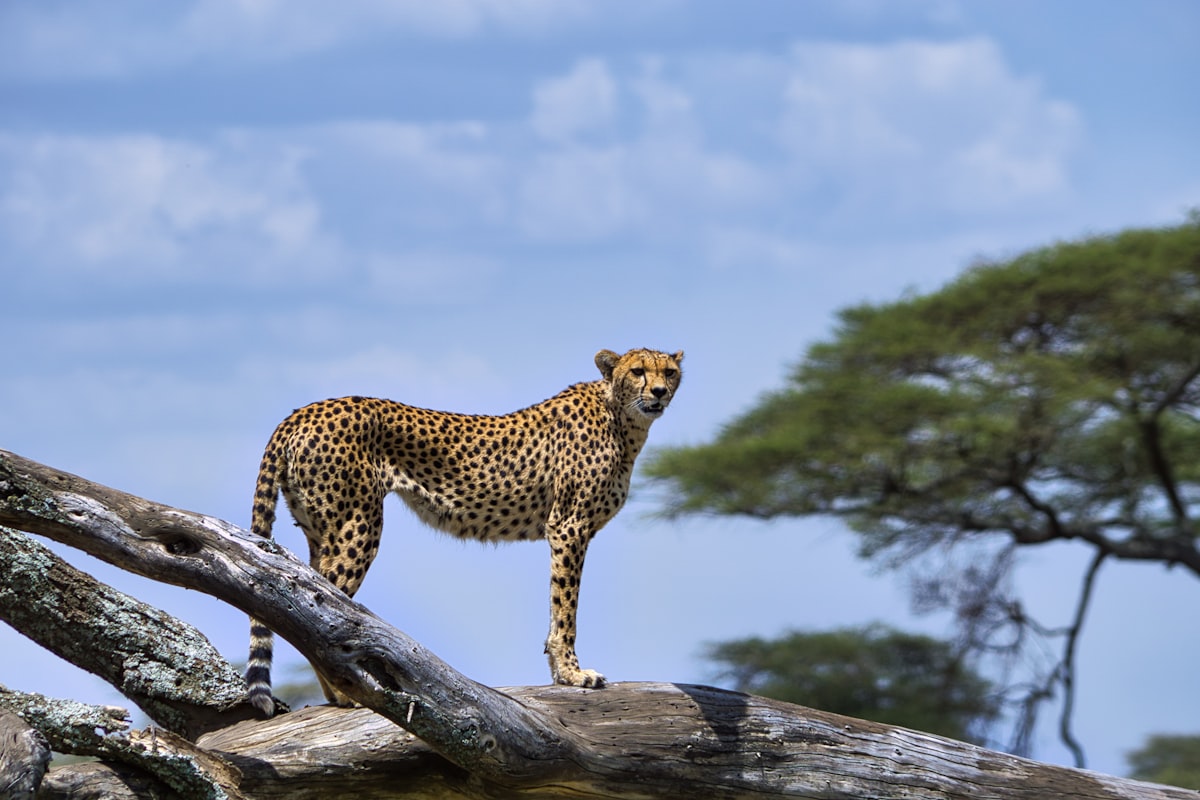
- ↑February is the peak of wildebeest calving season: the concentrated births in Ndutu and the Ngorongoro Conservation Area draw the largest single-point density of predators in the Serengeti ecosystem; lion prides, leopard, cheetah, wild dog, and hyena all converge on the calving grounds, and game drives in the Ndutu woodlands offer multi-predator sightings in a single morning
- ↑The green Serengeti landscape during the short dry season is at its most photogenic in February: the golden grass mixed with post-rain green, the dramatic skies between dry and wet patterns, and the full animal population (all species present before the migration begins moving north) create the richest biodiversity month of the year
July
#2 of 12 months
Best match
The Great Migration peak — the Mara River crossings, the most dramatic wildlife spectacle on Earth.
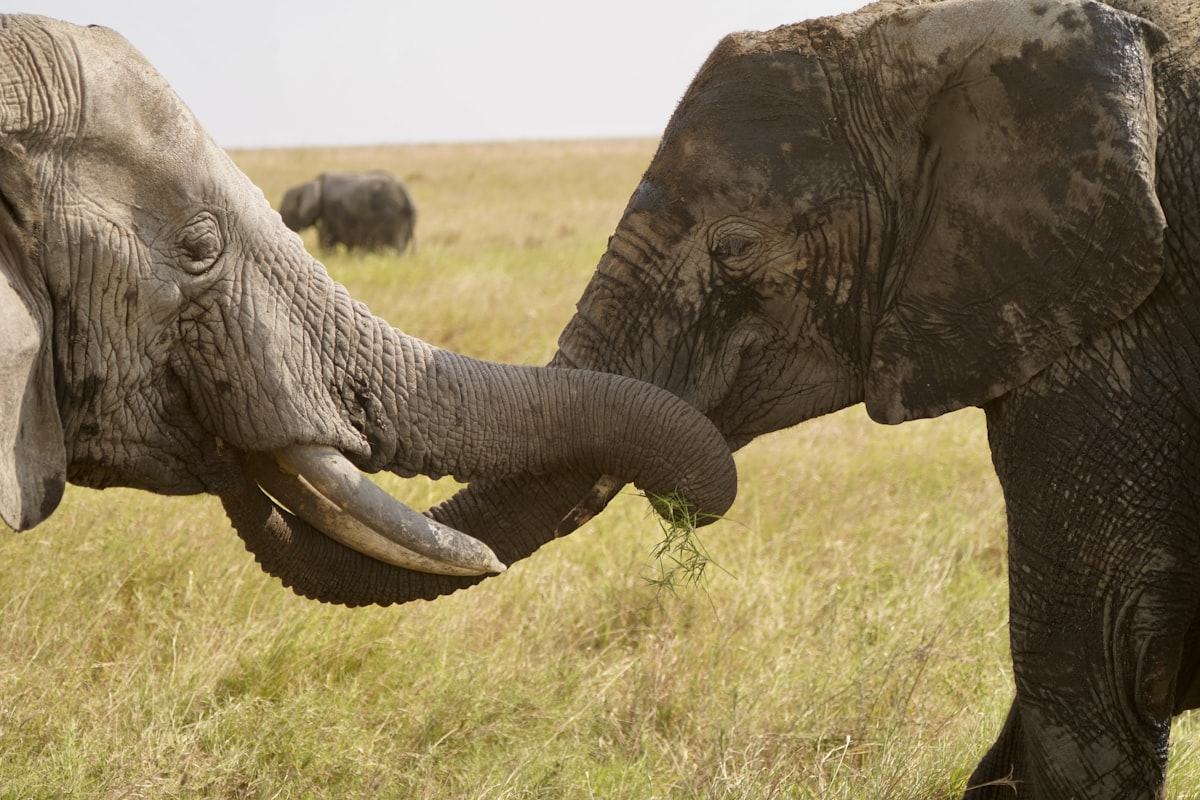
- ↑The Mara River crossings of July and August are the most dramatic wildlife spectacle on Earth: herds of 1–2 million wildebeest and 200,000 zebra press up against the Mara River, working themselves into a frenzy before the leaders plunge in; the waiting crocodiles, the chaos of the crossing, and the extraordinary density of big cats on both banks create sightings that no other wildlife destination in the world can replicate
- ↑Peak dry season delivers the finest photographic conditions of the year: 8.5 sunshine hours, clear air, minimal dust, and the game-drive tracks fully accessible create the definitive Tanzania safari experience — the Big Five are simultaneously accessible in the Serengeti, and animal density at the river and permanent water sources is extraordinary
| Factor | February | July |
|---|---|---|
| Weather score | 8 | 9 |
| Value score | 5 | 3 |
| Crowd score | 5 | 3 |
| Events score | 9 | 9 |
| Atmosphere | 9 | 9 |
| Avg high temp | 29°C | 22°C |
| Monthly rain | 65mm | 18mm |
| Daily sunshine | 8.5hrs | 8.5hrs |
February trade-offs
- ↓February's calving fame means the Ndutu area is the busiest part of Tanzania's safari circuit during this month — multiple vehicles around a predator-prey interaction are common; while regulations limit simultaneous vehicles at kills, the experience is not solitary
- ↓Accommodation in the Ndutu area (the small number of mobile camps permitted to operate within the Ndutu Conservation Area) books 6–12 months in advance for February; standard Serengeti lodges outside the zone have availability but miss the concentrated action
- ↓The long rains typically begin in mid-to-late March — some February rain forecasts can be inaccurate, and very occasionally the long rains arrive early; cloud cover during the first showers reduces photographic light quality
July trade-offs
- ↓July and August are Tanzania's peak season by a significant margin — all-inclusive camp rates at the best properties in the Mara River area (Singita Grumeti, &Beyond Serengeti Under Canvas, Nomad Tanzania's camps) reach US$1,500–3,000 per person per night; budget travellers have limited quality options in peak migration season
- ↓The Mara River crossing positions attract multiple safari vehicles — popular crossing points can see 20–40 vehicles waiting for hours before a crossing occurs; while regulations limit proximity to crossings, the experience is not intimate; exclusive private conservancies on the Tanzanian side (which require expensive camp stays) have stricter vehicle limits
- ↓July nights at altitude (Ngorongoro Crater rim at 2,286m, Arusha at 1,400m) are cold by East African standards — 9°C at night requires warm layers that most sun-holiday travellers don't pack; the temperature differential between the crater floor and rim (6–8°C difference) is dramatic
Scores compare months within Tanzania. Climate data: Open Meteo ERA5 30-year normals (1991–2020). Methodology →