Tanzania · Month comparison
June vs February
February ranks #1 overall vs June at #5. Peak calving season — the Serengeti's most dramatic predator activity and the finest wildlife photography month.
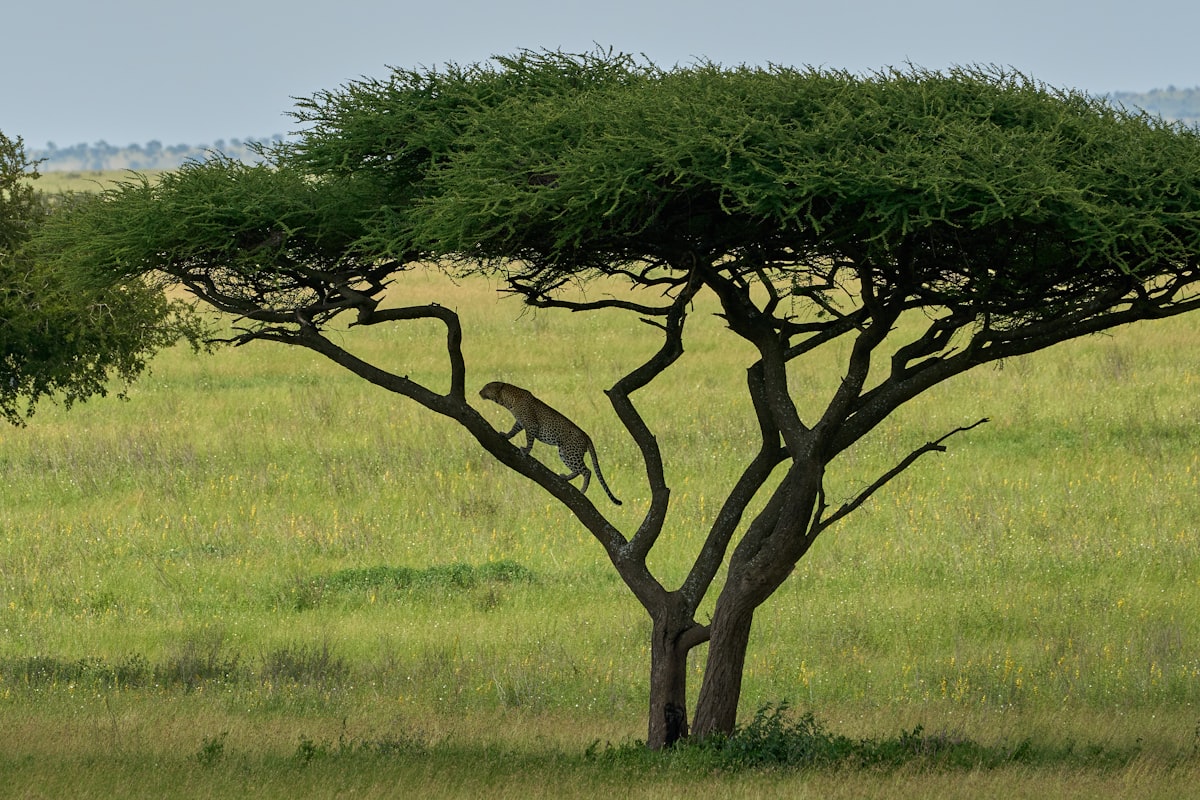
June
#5 of 12 months
Best match
Dry season opens — the Serengeti's best safari conditions begin and the migration crosses into Kenya.
- ↑The dry season arrives in earnest in June: 35mm of rain, 8 sunshine hours daily, and the rapidly recovering Serengeti road network allow access to the full ecosystem; the wildebeest migration has completed its northward journey from the southern calving grounds and is now concentrated in the Western Corridor and beginning the crossing into the Masai Mara ecosystem
- ↑Ngorongoro Crater game drives are at their finest in June — the crater floor dries out after the rains, the long grass recedes, and the resident wildlife population (resident lions, elephant herds, buffalo, and the crater's black rhino population) becomes more visible than in the wet months; the crater rim viewpoints are now reliably clear for photography
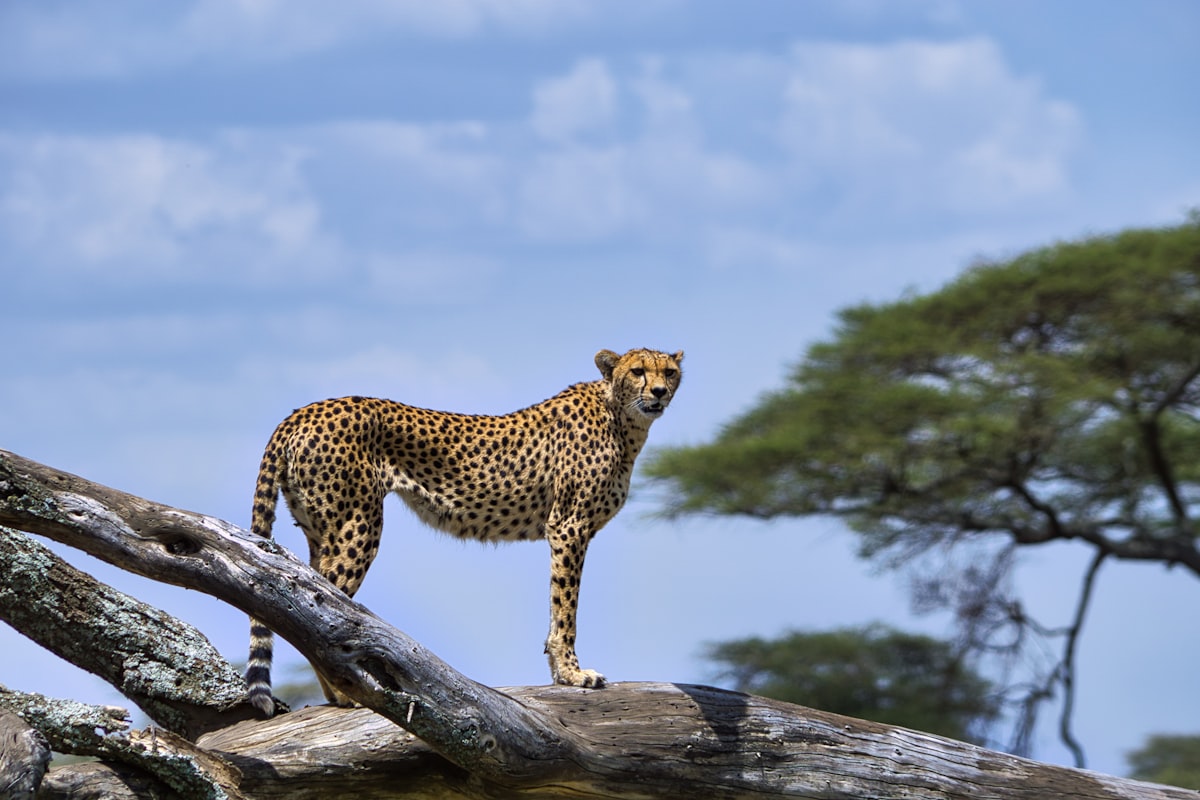
February
#1 of 12 months
Best match
Peak calving season — the Serengeti's most dramatic predator activity and the finest wildlife photography month.
- ↑February is the peak of wildebeest calving season: the concentrated births in Ndutu and the Ngorongoro Conservation Area draw the largest single-point density of predators in the Serengeti ecosystem; lion prides, leopard, cheetah, wild dog, and hyena all converge on the calving grounds, and game drives in the Ndutu woodlands offer multi-predator sightings in a single morning
- ↑The green Serengeti landscape during the short dry season is at its most photogenic in February: the golden grass mixed with post-rain green, the dramatic skies between dry and wet patterns, and the full animal population (all species present before the migration begins moving north) create the richest biodiversity month of the year
| Factor | June | February |
|---|---|---|
| Weather score | 8 | 8 |
| Value score | 4 | 5 |
| Crowd score | 4 | 5 |
| Events score | 8 | 9 |
| Atmosphere | 8 | 9 |
| Avg high temp | 22°C | 29°C |
| Monthly rain | 35mm | 65mm |
| Daily sunshine | 8hrs | 8.5hrs |
June trade-offs
- ↓Prices jump from May's budget level to expensive as the dry season opens — the best camps in the Serengeti and Ngorongoro book up fast for the July–August peak, and June is the last month with reasonable availability before the full allocation of top-tier accommodation is reserved for the peak migration season
- ↓Early June can still see residual cloud cover from the rains — the Serengeti's photographic light, while improving, is not yet as sharp and golden as July–August; morning mist can persist at Ngorongoro Crater rim well into the morning
- ↓The migration river crossings — the Mara River at the Tanzania-Kenya border — begin but are not yet at maximum intensity in June; the first crossings occur but the concentration of wildebeest numbers at crossing points builds through July toward its August peak
February trade-offs
- ↓February's calving fame means the Ndutu area is the busiest part of Tanzania's safari circuit during this month — multiple vehicles around a predator-prey interaction are common; while regulations limit simultaneous vehicles at kills, the experience is not solitary
- ↓Accommodation in the Ndutu area (the small number of mobile camps permitted to operate within the Ndutu Conservation Area) books 6–12 months in advance for February; standard Serengeti lodges outside the zone have availability but miss the concentrated action
- ↓The long rains typically begin in mid-to-late March — some February rain forecasts can be inaccurate, and very occasionally the long rains arrive early; cloud cover during the first showers reduces photographic light quality
Scores compare months within Tanzania. Climate data: Open Meteo ERA5 30-year normals (1991–2020). Methodology →