Tanzania · Month comparison
September vs February
February ranks #1 overall vs September at #4. Peak calving season — the Serengeti's most dramatic predator activity and the finest wildlife photography month.
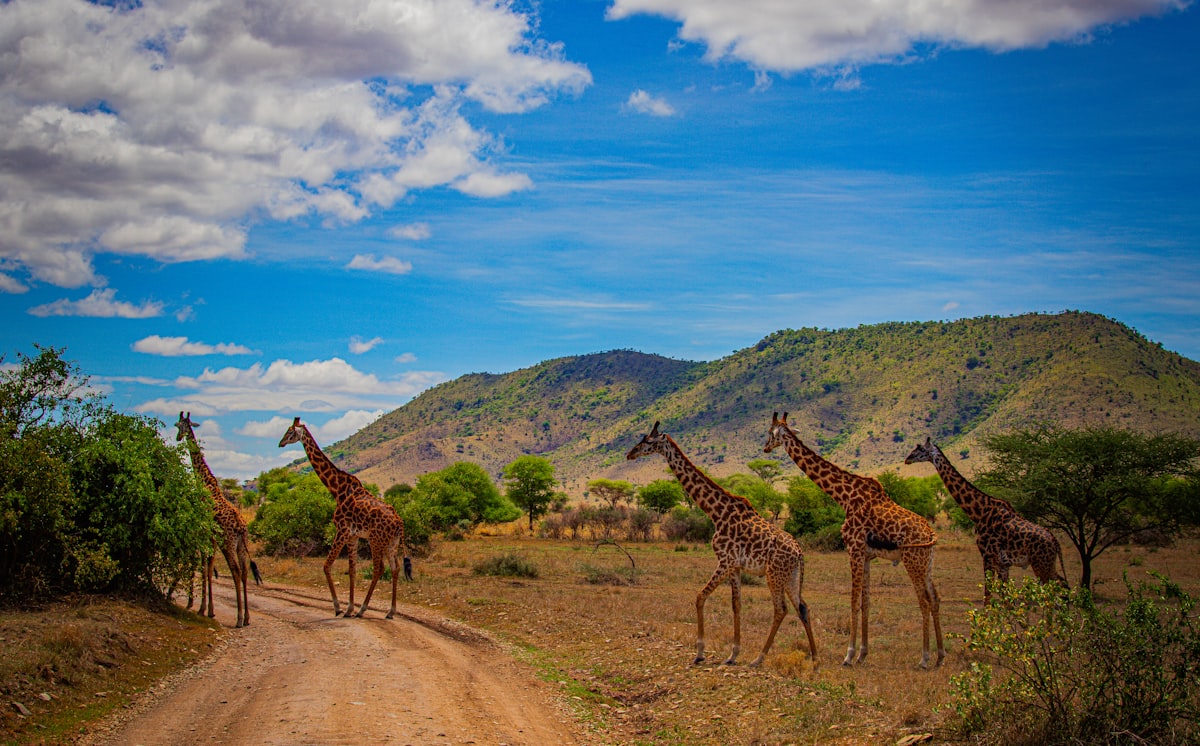
September
#4 of 12 months
Best match
Migration begins returning — excellent conditions, slightly cheaper than peak, and fewer vehicles at crossings.
- ↑September continues the Mara River crossing season but with the wildebeest herds beginning their southward return — the dynamic changes from the frenzied northward crossings of July–August to a more spread-out return movement; crossing activity continues but the vehicle density at popular points begins to ease, and some crossing positions that were inaccessible with 40 vehicles now have 6–8 vehicles for a full session
- ↑Prices ease from the July–August peak: while still expensive, September's camp rates are 10–25% below the August ceiling, and availability at the best properties that was impossible in August becomes possible for late bookers with flexibility; September–October are the best months for late-decision safari planning
February
#1 of 12 months
Best match
Peak calving season — the Serengeti's most dramatic predator activity and the finest wildlife photography month.
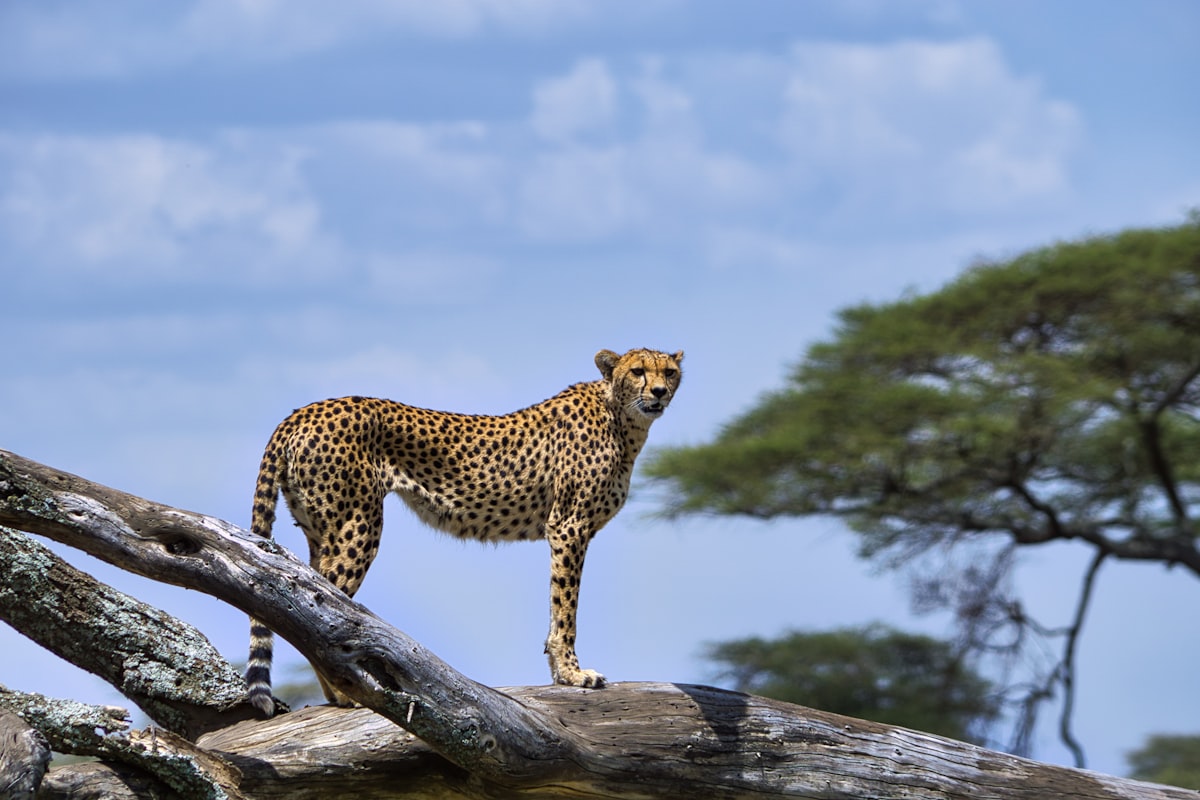
- ↑February is the peak of wildebeest calving season: the concentrated births in Ndutu and the Ngorongoro Conservation Area draw the largest single-point density of predators in the Serengeti ecosystem; lion prides, leopard, cheetah, wild dog, and hyena all converge on the calving grounds, and game drives in the Ndutu woodlands offer multi-predator sightings in a single morning
- ↑The green Serengeti landscape during the short dry season is at its most photogenic in February: the golden grass mixed with post-rain green, the dramatic skies between dry and wet patterns, and the full animal population (all species present before the migration begins moving north) create the richest biodiversity month of the year
| Factor | September | February |
|---|---|---|
| Weather score | 9 | 8 |
| Value score | 4 | 5 |
| Crowd score | 4 | 5 |
| Events score | 8 | 9 |
| Atmosphere | 8 | 9 |
| Avg high temp | 25°C | 29°C |
| Monthly rain | 28mm | 65mm |
| Daily sunshine | 8.5hrs | 8.5hrs |
September trade-offs
- ↓The drama of the northward crossing migration — the massed herds pressing against the riverbank, the leaders plunging under duress, the chaos of thousands crossing simultaneously — is less likely in September as the return crossing is more spread out and opportunistic; the Great Migration is still occurring but the concentrated spectacle is past its peak
- ↓Some northern Serengeti migration-season camps begin to demobilise or move south for the calving season in September–October; confirm specific camp dates of operation before booking, particularly for late-September visits
- ↓The first signs of the short rains (vuli) can appear in late September in some years — while actual rain is minimal (28mm), occasional afternoon cloud build-up can affect photographic light quality in the late afternoon
February trade-offs
- ↓February's calving fame means the Ndutu area is the busiest part of Tanzania's safari circuit during this month — multiple vehicles around a predator-prey interaction are common; while regulations limit simultaneous vehicles at kills, the experience is not solitary
- ↓Accommodation in the Ndutu area (the small number of mobile camps permitted to operate within the Ndutu Conservation Area) books 6–12 months in advance for February; standard Serengeti lodges outside the zone have availability but miss the concentrated action
- ↓The long rains typically begin in mid-to-late March — some February rain forecasts can be inaccurate, and very occasionally the long rains arrive early; cloud cover during the first showers reduces photographic light quality
Scores compare months within Tanzania. Climate data: Open Meteo ERA5 30-year normals (1991–2020). Methodology →