Hawaii
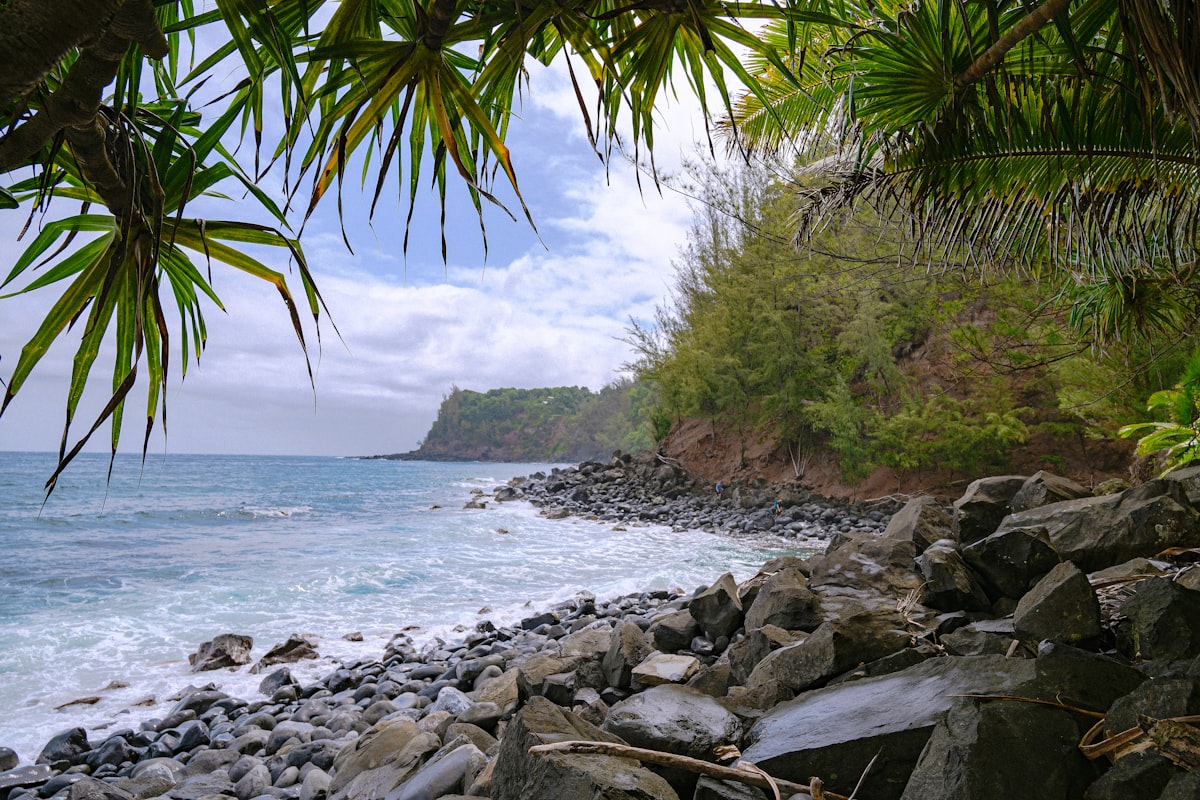
Hawaiʻi Island (Big Island)
Unsplash / Unsplash
The youngest and largest island — active volcanoes, lava meeting the ocean, black sand beaches, and Mauna Kea stargazing.
The Big Island is twice the size of all other Hawaiian islands combined and contains 11 of Earth's 13 climate zones in a single landmass — from the tropical Hilo coast receiving 330 inches of rain annually to the Kohala Coast's arid lava fields that receive barely 10 inches. Hawai'i Volcanoes National Park contains Kīlauea, one of the world's most continuously active volcanoes; lava has been entering the ocean periodically since 1983. Mauna Kea (4,205m) is the world's premier astronomical site — 13 international telescopes sit at its summit, and public stargazing programmes at the visitor centre at 2,800m produce some of the most spectacular skies you'll see outside a desert. The Kona and Kohala resort coasts on the dry western side give access to excellent snorkelling with manta rays and spinner dolphins.
Scores
Walkability
Transit
Price
Local feel
Nightlife
Family-friendly
Centrality
What you gain
- ↑Hawai'i Volcanoes National Park is the only place in the US where you can walk on active lava fields, watch lava lake activity from the crater rim, and potentially see active flows entering the ocean — an experience available nowhere else on Earth; the park's 330,000 acres also contain rainforest, petroglyph fields, and chain-of-craters road
- ↑Manta ray night snorkel off Kona is one of Hawaii's most distinctive experiences — aggregations of Pacific manta rays (wingspan up to 5 metres) feed in plankton-rich water illuminated by dive lights, and snorkellers float on the surface watching the rays circle below; highly reliably, especially on calm summer nights
- ↑Mauna Kea summit stargazing: the Onizuka Center for International Astronomy visitor station at 2,800m runs free public stargazing programmes most evenings, and the summit road (4WD required) gives access to skies that astronomers consider among the best on Earth
What you sacrifice
- ↓The Big Island requires more driving than any other Hawaiian island — the distances between Kona/Kohala, Hilo, and Volcanoes are significant (Kona to Hilo is 2.5 hours), and most experiences require a full-day commitment to a specific area rather than casual island-hopping
- ↓The island's lava fields and volcanic activity can disrupt southern coast access unpredictably — road closures in the Puna district, gas emissions (vog) affecting air quality, and lava flow direction changes can impact specific itineraries; check USGS Volcano Hazards Programme before visiting
Best for
Avoid if
Other Hawaii neighbourhoods
Honolulu, Waikiki, Pearl Harbor, and the world's most famous surf — Hawaii's most urban and accessible island.
The Valley Isle — the most complete Hawaii experience: whale watching, Road to Hana, Haleakalā crater, and the best resorts in the state.
The Garden Isle — the Na Pali Coast, Waimea Canyon, Hanalei Bay, and the most untouched landscape in Hawaii.
Know where to stay — now find when to go.
Best time to visit Hawaii →