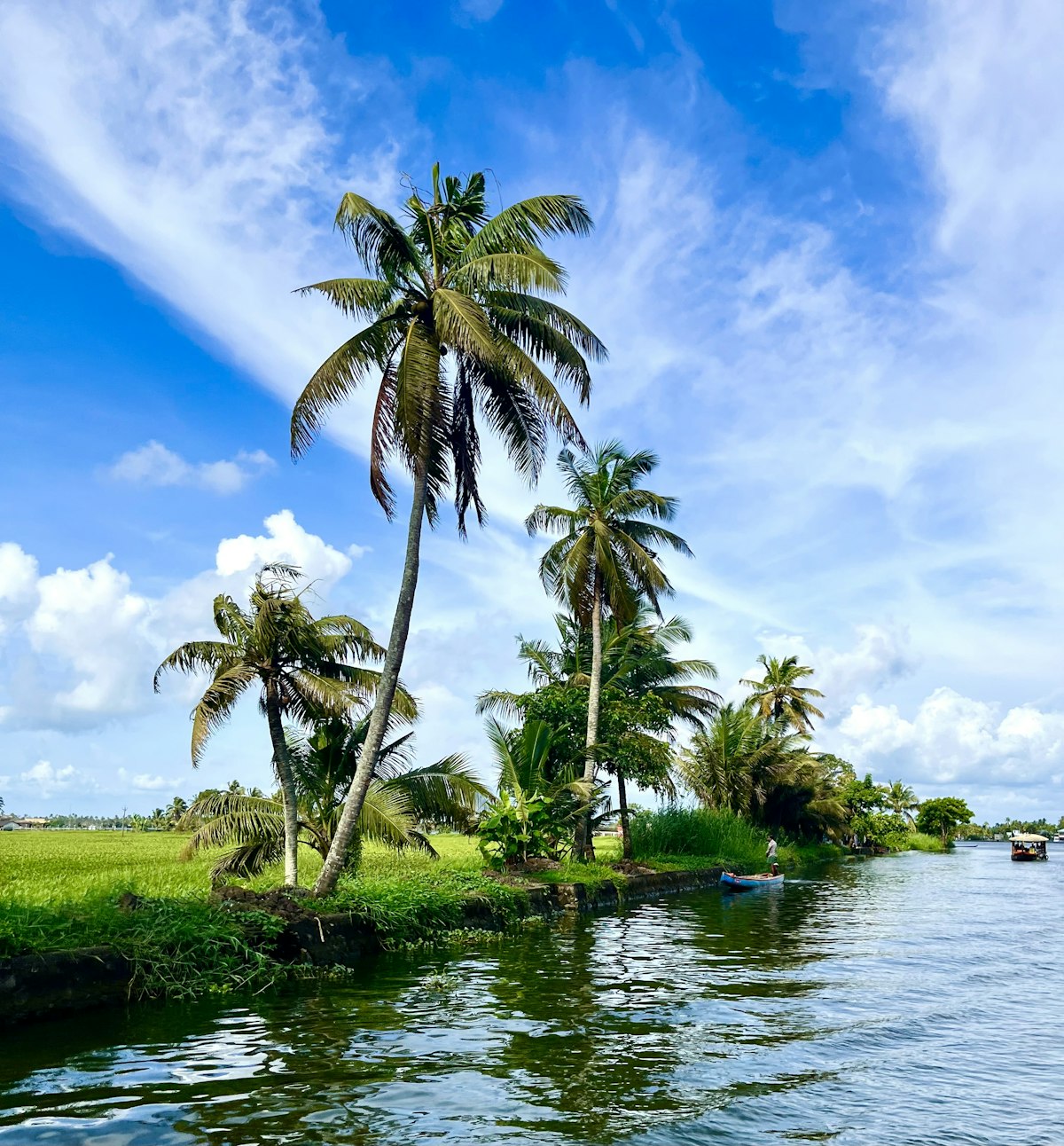
Kerala
Fort Kochi
Unsplash / Unsplash
Kerala's colonial masterpiece — Portuguese churches, Chinese fishing nets, and the Kochi-Muziris Biennale.
Fort Kochi is the most layered neighbourhood in India: Portuguese, Dutch, and British colonial architecture preserved alongside active Jewish, Christian, and Hindu communities. The iconic Chinese fishing nets (cheena vala) line the waterfront — introduced by Zheng He's fleet in the 14th century. Mattancherry's spice warehouses, the Dutch Palace (Mattancherry Palace), and the Paradesi Synagogue (India's oldest) are within walking distance. During the Kochi-Muziris Biennale (December–March), every heritage building becomes a gallery.
Scores
Walkability
Transit
Price
Local feel
Nightlife
Family-friendly
Centrality
What you gain
- ↑The Chinese fishing nets at dawn — operated by families who have worked them for generations — are one of the most photographed scenes in India and genuinely worth the 6am alarm
- ↑The Kochi-Muziris Biennale transforms Fort Kochi's colonial buildings into world-class contemporary art spaces — the Aspinwall House compound alone is extraordinary
- ↑Kerala Kathakali Centre near Santa Cruz Basilica runs nightly dance performances with pre-show make-up demonstrations for ₹400–600 — the best accessible Kathakali experience in the state
What you sacrifice
- ↓Fort Kochi is an island connected to Ernakulam (the mainland city) only by ferry or a long road route — getting anywhere outside the area requires planning around ferry times
- ↓The neighbourhood has gentrified significantly; budget accommodation is increasingly rare and some streets feel more heritage boutique hotel than living community
Best for
Avoid if
Other Kerala neighbourhoods
The houseboat capital of India — 1,900km of interconnected backwaters accessible from one town.
Kerala's beach south — one resort, one cliff-top backpacker town, both facing the Arabian Sea.
Kerala's hill station — tea-covered Western Ghats at 1,600m with elephant corridors and mountain air.
Know where to stay — now find when to go.
Best time to visit Kerala →