Milan
Porta Nuova
Unsplash / Unsplash
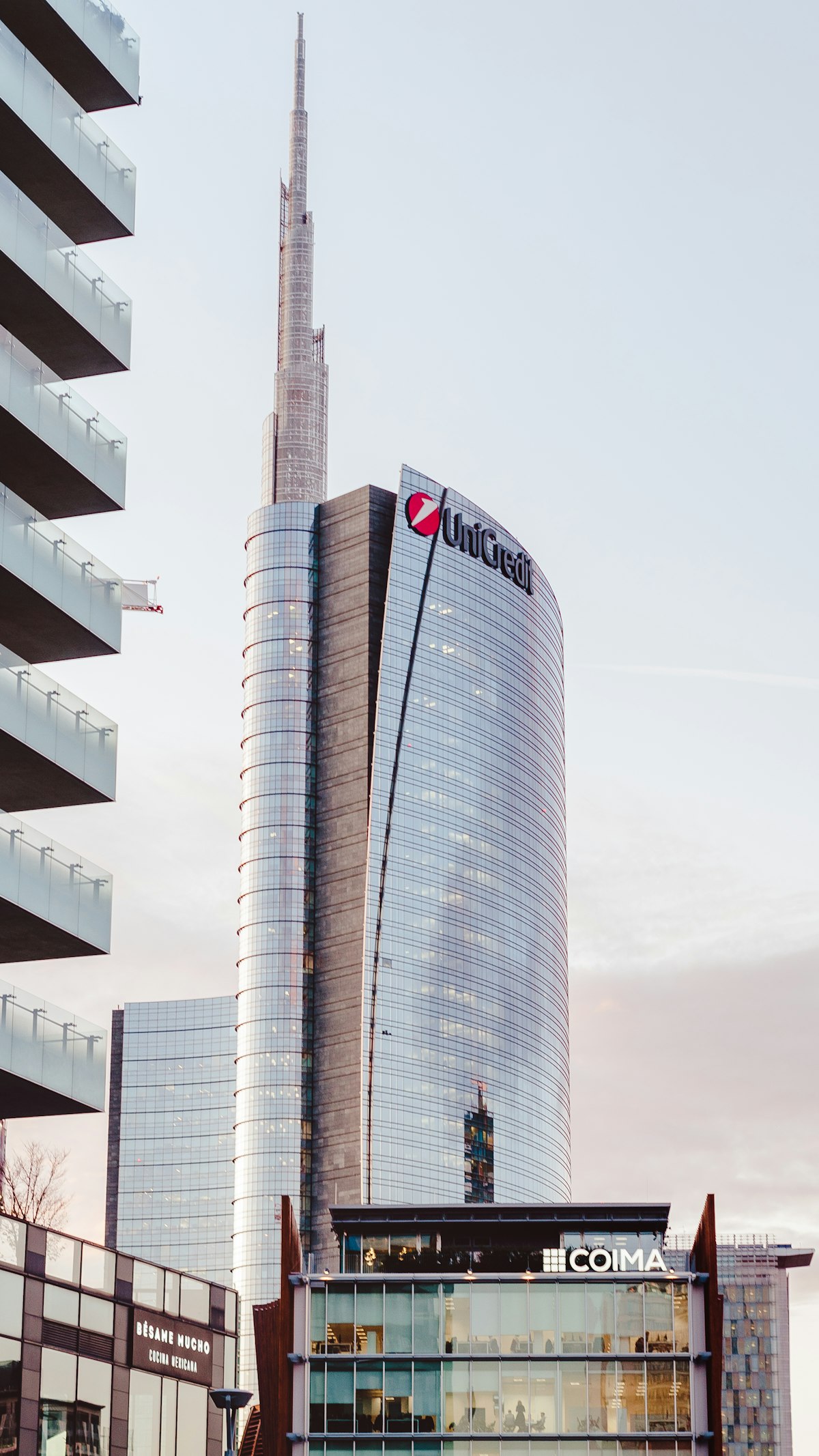
Milan's modern business district — UniCredit Tower, Bosco Verticale, and the Isola neighbourhood's creative scene.
Porta Nuova is Milan's 21st-century urban regeneration project: a 290,000 sq m development around the former Varesine railway yard that created the UniCredit Tower (231m, Italy's tallest building), the Bosco Verticale (twin residential towers with 800 trees growing from their facades, 2014 International Highrise Award), and the Piazza Gae Aulenti public space. The adjacent Isola district — a working-class neighbourhood that resisted gentrification until the Porta Nuova development changed its borders — now contains a mix of independent boutiques, creative studios, and the Fondazione ICA Milano (contemporary art). The contrast between the regenerated glass-and-steel financial quarter and the older Isola streetscapes makes this the most architecturally complex neighbourhood in the city.
Scores
Walkability
Transit
Price
Local feel
Nightlife
Family-friendly
Centrality
What you gain
- ↑Bosco Verticale (Vertical Forest, Via Gaetano de Castillia 11): the most photographed modern building in Italy and the most awarded residential tower of the 2010s — free to view from Piazza Gae Aulenti and the surrounding streets, visible from across the city at sunset
- ↑Piazza Gae Aulenti (the circular public square at the base of the UniCredit Tower): Milan's most architecturally contemporary public space, with the best urban photography compositions in the city for modern architecture alongside the design museum at the Triennale
- ↑Isola district's independent food and creative scene: Frida bar and garden (the neighbourhood's most characterful venue), Vico dei Lavandai, and a concentration of artist studios and design boutiques that maintain a pre-gentrification identity despite the surrounding development
What you sacrifice
- ↓Porta Nuova itself is primarily a business and residential area with limited evening activity compared to Navigli or Brera: the restaurants and bars in the glass towers serve the financial district crowd and close early on weekends
- ↓Hotels in Porta Nuova cater primarily to business travelers and price accordingly: weekend rates can be lower but the immediate surroundings lack the atmospheric character of Brera or the nightlife density of Navigli
Best for
Avoid if
Other Milan neighbourhoods
Milan's historic heart — the Duomo, Galleria Vittorio Emanuele II, La Scala, and the luxury Quadrilatero della Moda.
Milan's art district — the Pinacoteca, cobblestone streets, aperitivo bars, and the city's most photogenic neighbourhood.
Milan's canal district — the aperitivo capital of Europe, vintage markets, and the city's most local evening culture.
Know where to stay — now find when to go.
Best time to visit Milan →