Phu Quoc
Phu Quoc National Park
Khiem Antony / Unsplash
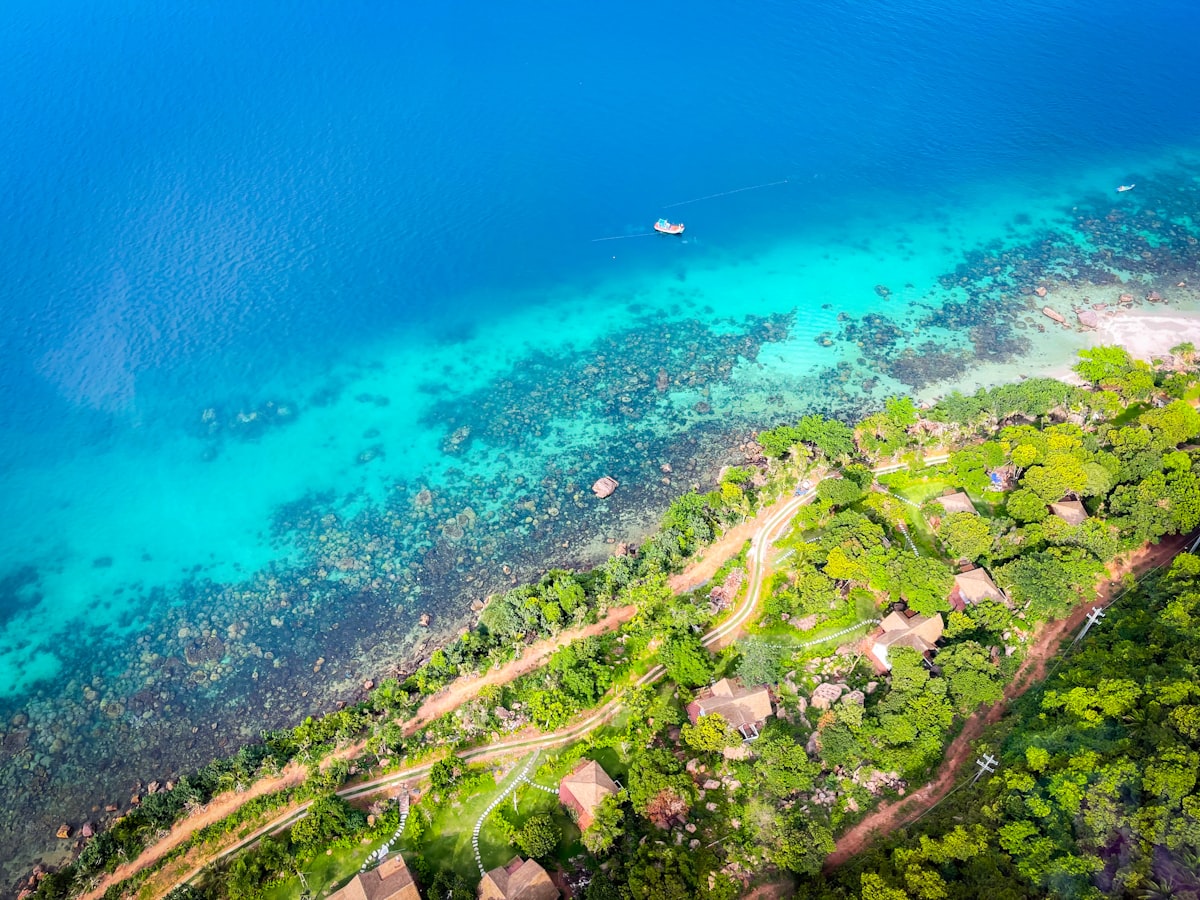
UNESCO-protected jungle covering the northern half of the island — hiking trails, pepper farms, and Ganh Dau cape.
Phu Quoc National Park covers over 31,000 hectares of the island's northern half, making up around 70% of the total land area and protecting one of the last large intact tropical forests in Vietnam. The park contains hiking trails through dense jungle, streams, and viewpoints — none especially challenging, but genuinely rewarding for the wildlife and vegetation. Ganh Dau cape at the northernmost point offers views across to Cambodia just 15 kilometres away. The surrounding buffer zone contains the island's traditional pepper plantations and fish sauce factories, where Phu Quoc's famous nuoc mam has been produced for centuries. This is the antidote to the resort strip: off-road, green, and entirely Vietnamese.
Scores
Walkability
Transit
Price
Local feel
Nightlife
Family-friendly
Centrality
What you gain
- ↑The only place on Phu Quoc to experience Vietnam properly: pepper farms where you can taste Kampot-style peppercorns straight from the vine, and fish sauce factories explaining the island's culinary legacy
- ↑Ganh Dau cape: the most peaceful spot on the island — a narrow spit of land with a fishing village, views to Cambodia, and none of the resort infrastructure visible anywhere
- ↑Hiking through primary forest: unlike anywhere else on the island, the national park trails offer genuine biodiversity including hornbills, flying foxes, and monitor lizards in their natural habitat
What you sacrifice
- ↓No accommodation of any quality inside or immediately adjacent to the park; a motorbike or rented car is essential and you will be returning to Long Beach for the night
- ↓Trails are basic and waymarking is inconsistent — a local guide is strongly recommended, particularly for longer routes in the interior
- ↓The wet season (May–October) makes jungle trails muddy and leechy; this area is best visited in the dry season, ideally in the morning before afternoon heat peaks
Best for
Avoid if
Other Phu Quoc neighbourhoods
The island's main resort strip — Duong Dong town, the night market, beach clubs, and most of the action.
Powdery white sand and clear turquoise water on the quiet southeast coast — Phu Quoc's most beautiful beach.
The cable car to Hon Thom, Vietnam's best coral reefs, and the gateway to 19 offshore islands.
Know where to stay — now find when to go.
Best time to visit Phu Quoc →