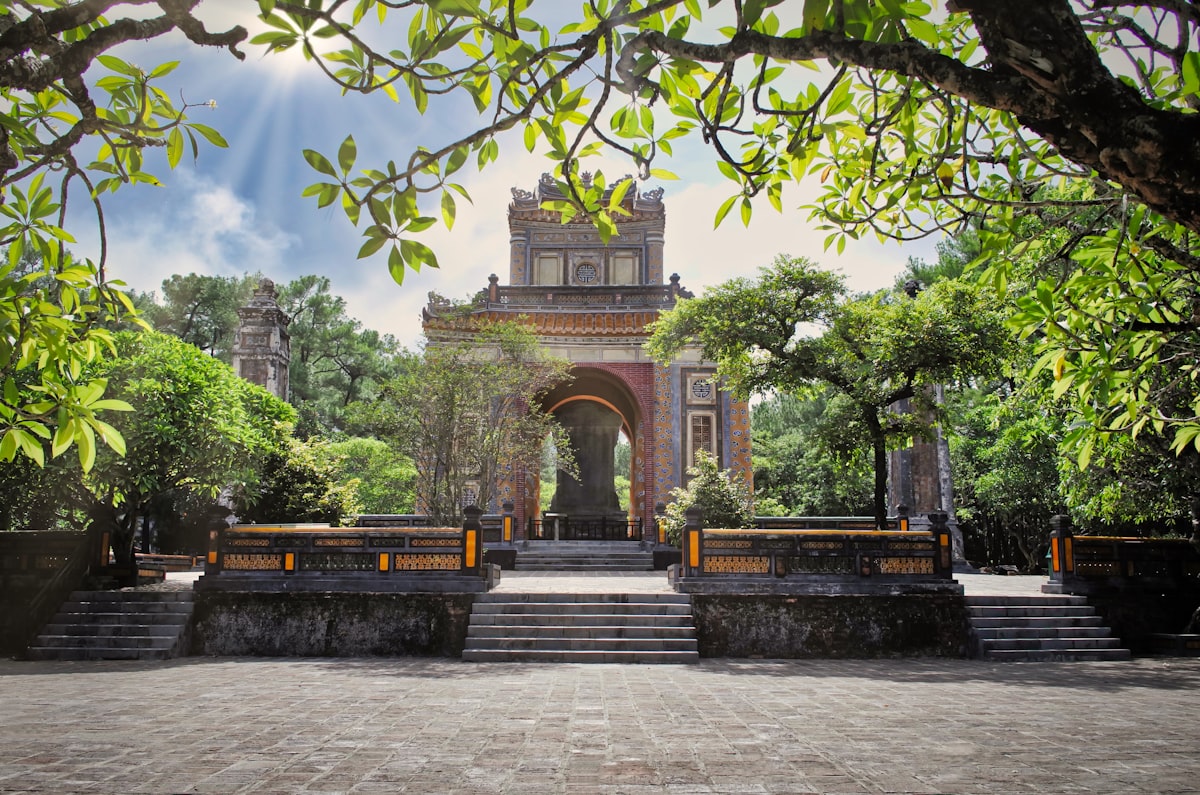
Best time to visit Hue for local atmosphere
When to visit Hue to experience genuine local life — the months when residents are present, markets are active, and the city feels like itself.
Best month
February
Tet transforms Hue — the best atmosphere of the year, with drying skies and manageable crowds.
↑Tet (Lunar New Year): Imperial Citadel adorned with flowers, dragon boat races on the Perfume River, fireworks
↑Noticeably drier than January: 45mm, some clear sunny days emerging
↑Hue Festival season beginning — traditional court music, ao dai fashion, and ceremonial performances
All months ranked — Local atmosphere
Best match
Tet transforms Hue — the best atmosphere of the year, with drying skies and manageable crowds.
#1 for local atmosphere
Best match
Spring arrives — warm, dry, clear skies and the best weather window outside summer.
#2 for local atmosphere
Best match
Cool and overcast but Tet energy builds — atmospheric and affordable with fewer crowds.
#3 for local atmosphere
Strong option
Warm and increasingly sunny — a strong transition month before summer heat arrives.
#4 for local atmosphere
Strong option
Getting hot but still manageable — sunny, mostly dry, good value before peak season.
#5 for local atmosphere
Strong option
Hot and dry — the sun is reliable but 35°C demands midday retreats and beach days.
#6 for local atmosphere
Strong option
Peak summer — driest and hottest month; for beach days and evening city life, not midday temples.
#7 for local atmosphere
Strong option
Slightly less dry than July but still hot, still crowded — Thuan An Beach is the day's solution.
#8 for local atmosphere
Worth considering
Typhoon season begins — prices ease as summer tourists leave, but weather becomes unpredictable.
#9 for local atmosphere
Worth considering
Monsoon easing but still very wet — January is much better; only come if dates are fixed.
#10 for local atmosphere
Avoid
Peak monsoon — 530mm in a single month, near-constant rain, and genuine flood risk.
#11 for local atmosphere
Avoid
Worst month: 450mm of rain, flooding risk, typhoons possible — avoid unless unavoidable.
#12 for local atmosphere