Azores
Terceira
Unsplash / Unsplash
The cultural capital — the UNESCO baroque city of Angra do Heroísmo, the Algar do Carvão lava tube, and the Sanjoaninas bull festival.
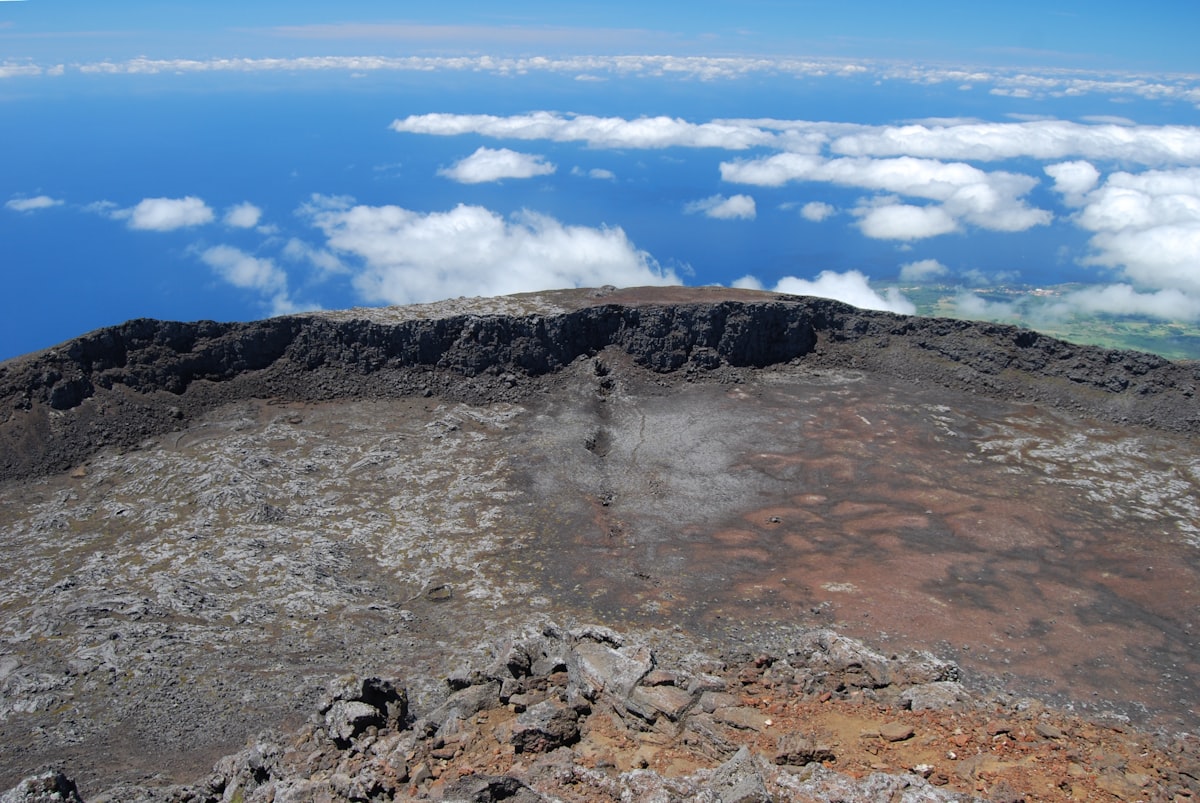
Terceira is the third largest island in the Azores and the one with the deepest historical and cultural identity: Angra do Heroísmo, its capital, is a UNESCO World Heritage City — a perfectly preserved 16th-century Portuguese colonial baroque town built around a natural deep-water harbour that served as the primary stopping point for ships crossing between Europe and the Americas for 200 years; the city's grid of cobbled streets, painted churches, and fortifications has been preserved largely intact since the 18th century. The island also contains the Algar do Carvão — a lava tube and volcanic chimney 90 metres deep that drops into a stalactite cave of extraordinary geological drama, accessible on a guided descent — and the Caldeira de Guilherme Moniz, the largest caldera in the Azores hidden in the central plateau. Terceira's annual Festa da Sanjoaninas (June 17–30) is the most celebrated traditional festival in the Azores: 12 days of tourada à corda (rope-held bull runs through the street villages), street music, and communal festa.
Scores
Walkability
Transit
Price
Local feel
Nightlife
Family-friendly
Centrality
What you gain
- ↑Angra do Heroísmo UNESCO old city: the combination of 16th-century Portuguese baroque architecture, the fortified harbour, the Monte Brasil volcanic promontory rising above the city, and the complete absence of the tourist commercialisation that has crept into other Azorean towns gives Angra a quality of genuine inhabited historic city available nowhere else in the archipelago; the Se Cathedral, the Santa Catarina convent, and the Capitão-Mór mansion are all in continuous use
- ↑Algar do Carvão lava tube descent: the guided descent into the volcanic chimney of Algar do Carvão (90m deep, accessible via a lit path cut through the rock) delivers visitors into a subterranean chamber with stalactites and stalagmites forming in the volcanic rock over 2,000 years — uniquely, these are forming inside an active volcanic geology rather than limestone; the chamber at the base contains a small crystal-clear lake at the level of the water table
- ↑Sanjoaninas festival (June): the 12-day festival centred on the tourada à corda (where bulls run through the streets of rural villages on long ropes held by eight men dressed in white, with the bull not harmed) is the most authentic traditional spectacle in the Azores; the village festival character — communal tables of carne assada and chouriço, folk music until 2am, the entire community participating — is a genuinely unpackaged cultural experience
What you sacrifice
- ↓Terceira lacks the dramatic volcanic landscape of São Miguel's crater lakes or Pico's summit — the island's appeal is primarily cultural and historic rather than wild landscape; those visiting the Azores specifically for the raw volcanic scenery may find Terceira's interior plateau (flat agricultural land) less compelling than the western islands
- ↓Angra do Heroísmo is the only town of real note on Terceira — the rest of the island's settlements are small agricultural villages; a 3-day stay exhausts Terceira's specific attractions, and it is best combined with a multi-island circuit rather than visited alone
Best for
Avoid if
Other Azores neighbourhoods
The biggest and most visited island — twin crater lakes at Sete Cidades, the steaming Furnas caldera valley, and the gateway airport for the whole archipelago.
The two islands facing each other across 8km of Atlantic — Faial's perfect caldera, Pico's UNESCO vineyards, and Portugal's highest summit.
The most remote and beautiful island — waterfalls, blue hydrangea valleys, calderas ringed by ancient laurel forest, and almost no other tourists.
Know where to stay — now find when to go.
Best time to visit Azores →