Fez
Batha & Rcif
Unsplash / Unsplash
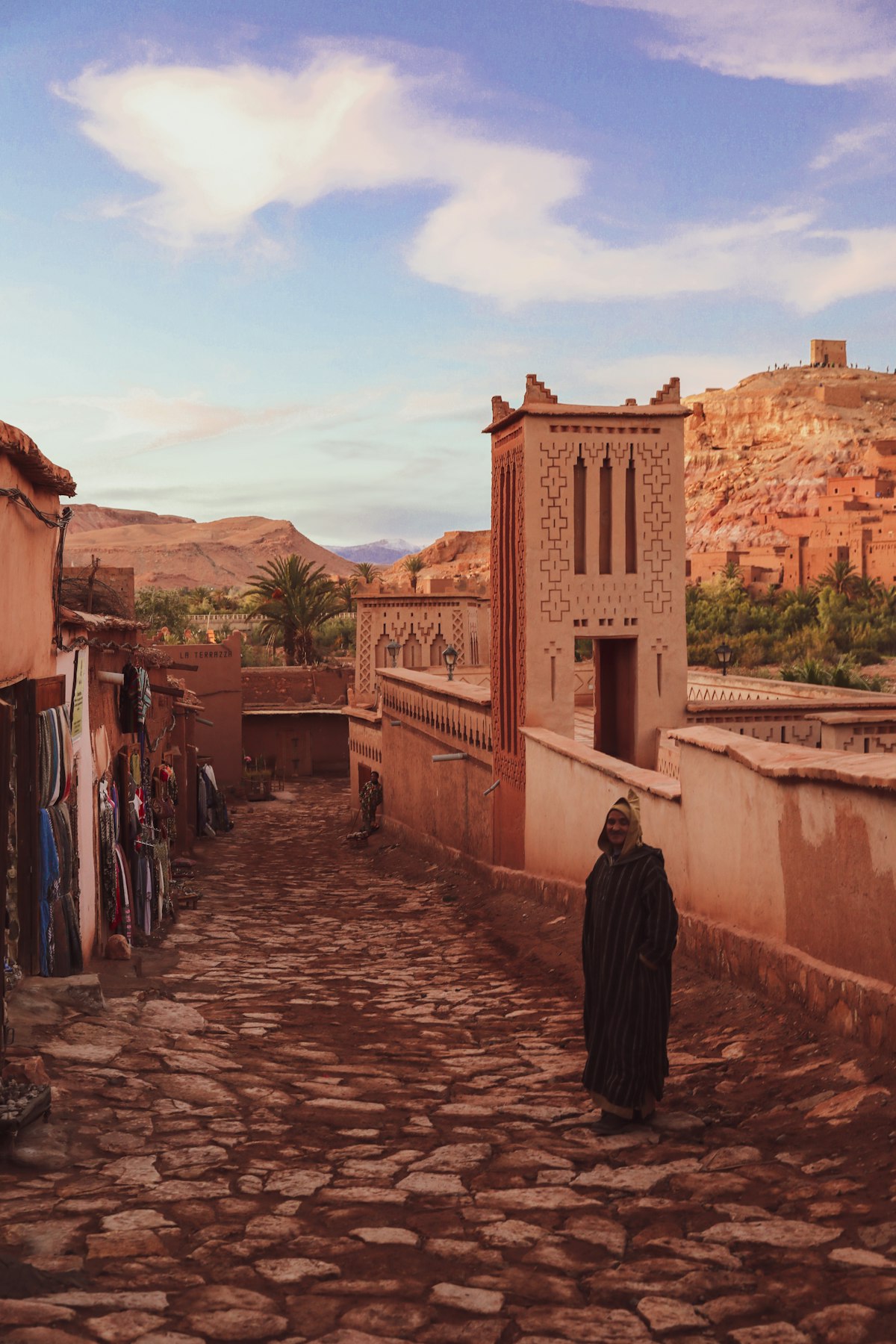
The southern medina gateway — the Batha Museum palace and the most local section of Fez el-Bali.
The Batha neighbourhood occupies the southern entry zone of Fez el-Bali, centred on Place de l'Istiqlal and the Dar Batha Museum (an Andalusian-style palace built 1873, now housing the most important collection of Fassi decorative arts in the world: cedarwood furniture, zellige mosaics, copper metalwork, and Fassi embroidery). The Rcif quarter to the east is the most densely residential part of the old medina, little visited by tourists — the Rcif market (textile and household goods) is an entirely local commercial environment with minimal tourist infrastructure.
Scores
Walkability
Transit
Price
Local feel
Nightlife
Family-friendly
Centrality
What you gain
- ↑The Dar Batha Museum (entry 20 MAD, approximately USD 2) is the most undervisited museum in Fez: the palace's Andalusian garden (oranges, date palms, roses, and a central fountain) is one of the most beautiful outdoor spaces in Morocco, and the collection of Fassi craft — particularly the blue-and-white Fez pottery and the cedar wood furniture — documents a decorative tradition of extraordinary sophistication..
- ↑The Rcif market area is where Fez residents shop for domestic goods: textile merchants selling djellabas and kaftans at local prices, household goods and food stalls, and the rhythms of daily medina life entirely undisturbed by tourism. Walking from Rcif square toward the Al-Qarawiyyin through this market is the most authentic urban experience in the city.
- ↑The hammam Sidi Moussa near Rcif square is one of the oldest functioning public baths in Morocco: a 14th-century structure with a wood-fired furnace, accessible to visitors for approximately 15 MAD (USD 1.50), and far more atmospheric than the tourist hammams near Bab Bou Jeloud that charge 10x the price for the same experience.
What you sacrifice
- ↓Batha and Rcif are less navigable than the main Bab Bou Jeloud entry routes: the residential quarter of Rcif in particular has few landmarks, and getting lost here means longer recovery times than in the main tourist circuit of the medina.
- ↓Limited accommodation options in this part of the medina — the riads here are less well-maintained than those in the Ziyat and Adoha areas, and choosing accommodation here without careful vetting risks a lower-quality stay.
Best for
Avoid if
Other Fez neighbourhoods
The French colonial grid — restaurants, patisseries, and the most liveable base outside the medina walls.
The world's largest living medieval city — 9,400 streets, 14th-century madrasas, and the Chouara tannery.
The Jewish quarter and Royal Palace gates — a second historic city within the city, almost unvisited.
Know where to stay — now find when to go.
Best time to visit Fez →