Kruger National Park
Satara & Central Kruger
Unsplash / Unsplash
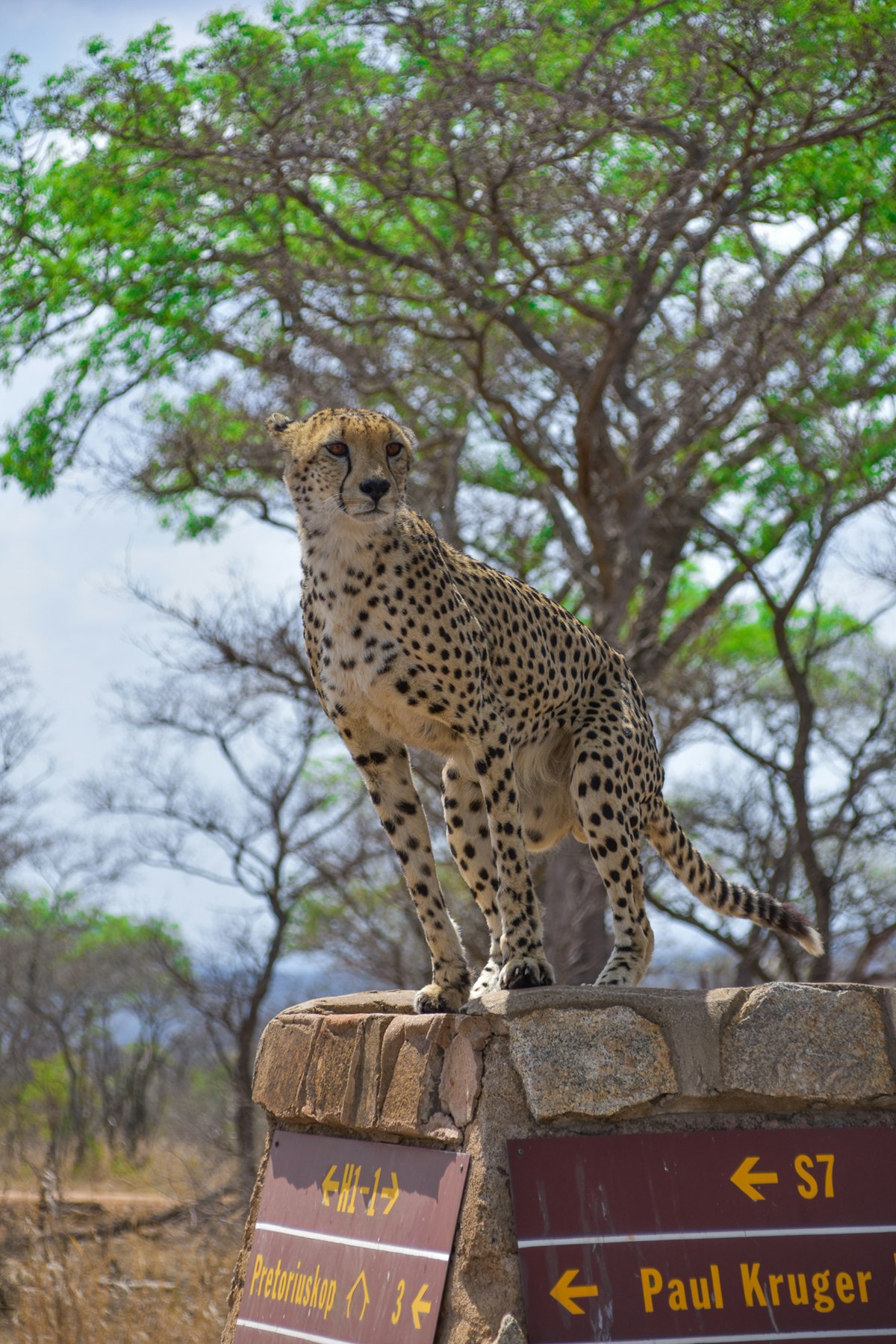
Open mopaneveld plains in central Kruger — cheetah, lion prides, the famous Satara breakfast, fewer cars than the south.
Satara sits at the center of the park amid wide flat mopane-and-grass plains — different landscape from southern granite kopjes. This is cat country: largest lion prides in the park (the Mafikeng and Bume prides are tracked by researchers), highest cheetah density in Kruger, and frequent wild dog. The Olifants and Timbavati Rivers nearby offer water reliability. The S100 loop east of Satara is widely considered the single best self-drive cat road in the park. Camp is smaller and more bush-feel than Skukuza. The Satara petrol station and shop double as the trading post for travellers heading north.
Scores
Walkability
Transit
Price
Local feel
Nightlife
Family-friendly
Centrality
What you gain
- ↑S100 dirt loop: the park's most reliable cheetah and lion road
- ↑Satara breakfast (oats, eggs, bacon) iconic safari ritual at 06:30 reopening
- ↑Adjacent Timbavati private reserve (Tanda Tula, Kings Camp) accessible without long transfer
What you sacrifice
- ↓Drier in dry season than southern rivers — fewer guaranteed waterhole crowds
- ↓Camp smaller — restaurant queues at peak season
- ↓A 90-min drive from Skukuza Airport entry
Best for
Avoid if
Other Kruger National Park neighbourhoods
The park's main camp and highest-density wildlife zone — granite kopjes, Sabie River, the densest leopard population in Africa.
Riverfront rest camp east of Skukuza — the most-photographed Kruger lodge, with the deck over Sabie River and the iconic Sunset Dam.
Mid-section river camps perched on cliffs above the Olifants and Letaba Rivers — elephant country, scenic, less crowded than the south.
Know where to stay — now find when to go.
Best time to visit Kruger National Park →