Nara
Naramachi
Unsplash / Unsplash
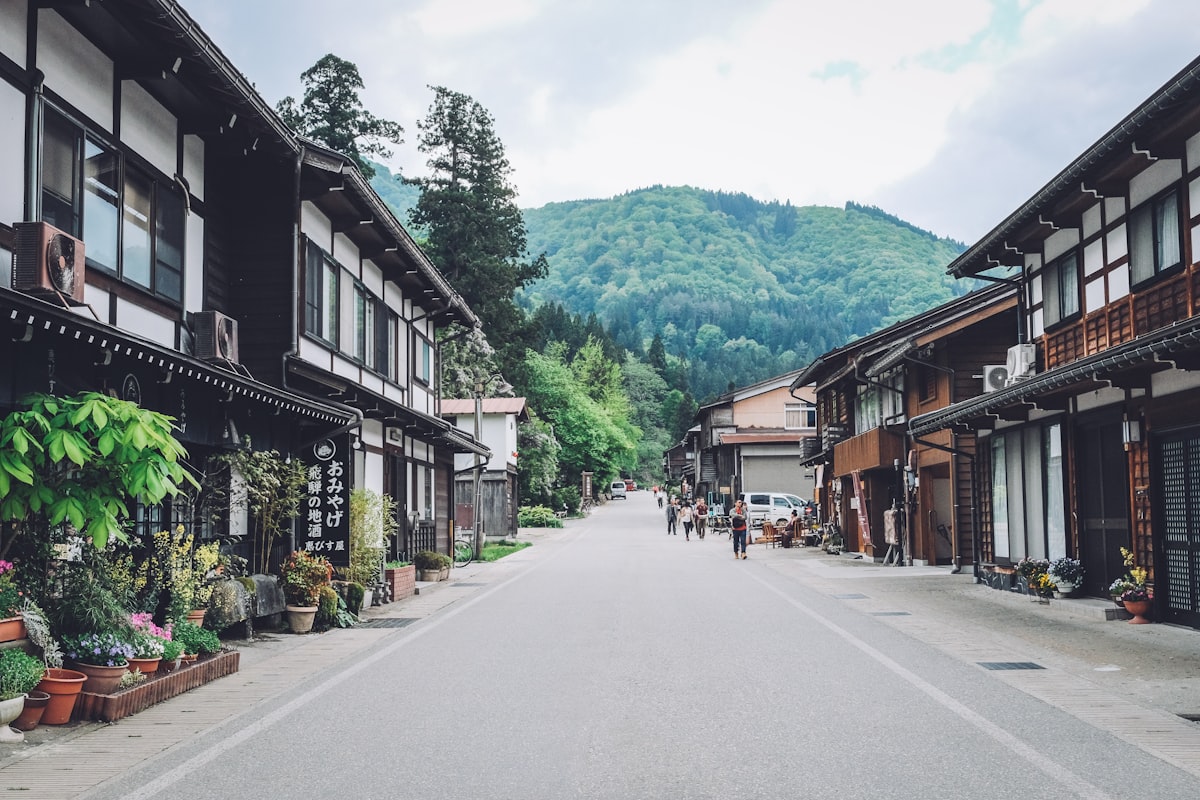
The preserved merchant district — quiet lanes, craft shops, and the real Nara behind the deer park.
Naramachi stretches south of Kofuku-ji and east of Sarusawa Pond: a dense grid of restored Edo and Meiji-period machiya townhouses that once belonged to merchants trading in the shadow of the temples. Today they house independent craft workshops, sake bars, tofu restaurants, and small galleries — the neighbourhood operates at a pace entirely different from the deer park a five-minute walk north. It's the area where overnight stays in Nara feel most rewarding.
Scores
Walkability
Transit
Price
Local feel
Nightlife
Family-friendly
Centrality
What you gain
- ↑The most photogenic streetscape in Nara: narrow lanes, white-walled storehouses, and wooden lattice facades
- ↑Independent restaurants serving Nara-specific cuisine: miwa somen noodles, kakinoha sushi, and kuzu sweets at genuine local prices
- ↑Far fewer crowds than the park: even on peak autumn weekends, Naramachi lanes are walkable
What you sacrifice
- ↓Most shops and restaurants close early (by 18:00–19:00); the neighbourhood goes quiet after dinner
- ↓Transit connections are limited — Kintetsu Nara Station is a 15-minute walk and buses run infrequently
- ↓Limited hotel stock: accommodation is mostly small machiya guesthouses with few rooms
Best for
Avoid if
Other Nara neighbourhoods
The deer park, Todai-ji, and the tourist core — Nara's reason for existing as a destination.
Nara's transit hub and accommodation centre — convenient, practical, and the best base for early starts.
Western Nara — Japan's oldest surviving wooden structures and a peaceful escape from the main park crowds.
Know where to stay — now find when to go.
Best time to visit Nara →